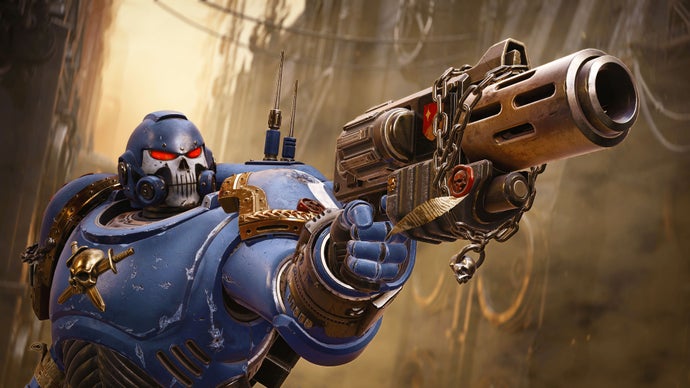
Saber Interactive has positioned itself as a premier licensed game developer, and Warhammer 40,000: Space Marine 2 stands as proof of their strategy. The studio departs sharply from the cheap, multi-console cash-in model that dominated licensed gaming two decades ago. Today's approach demands substantially more investment and creative commitment.
Space Marine 2 exemplifies this shift. Saber built a robust action title that respects both the 40K franchise and player expectations. The game delivered meaty combat, cooperative multiplayer, and post-launch support that kept audiences engaged. Rather than strip-mining intellectual property for quick revenue, Saber treats licenses as platforms for sustained, quality experiences.
This model works. Players respond to developers who understand source material and execute with technical competence. Space Marine 2's success proved that licensed games can compete with original properties when crafted with genuine care. The studio's willingness to invest years into a single IP, coupled with regular updates and meaningful content drops, builds franchise loyalty that translates to revenue and player retention.
Saber's approach signals a broader industry shift. Publishers increasingly recognize that licensed games demand the same development rigor as original titles. A half-baked Warhammer experience damages Games Workshop's brand and wastes licensing agreements worth millions. Conversely, a excellent Space Marine sequel strengthens the 40K ecosystem and opens doors for future collaborations.
The licensed game space has consolidated around studios willing to do the work. Saber competes against established names while carving territory in an increasingly crowded market. Their success with Warhammer 40,000: Space Marine 2 positions them for future major licensing deals, whether from Games Workshop or comparable IP holders seeking developers proven capable of building substantive, long-term projects.
The days of phoned-in licensed games are genuinely over. Saber underst