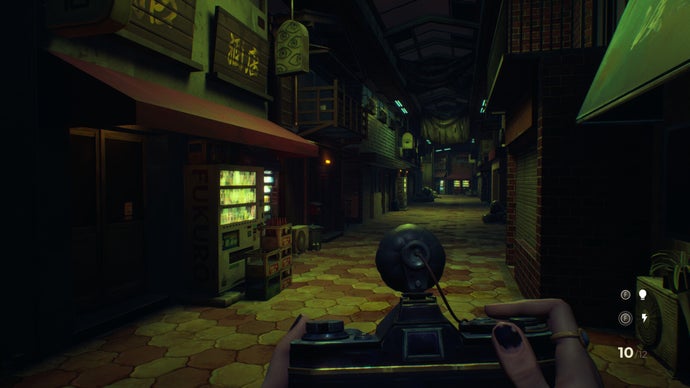
SOMBRAS: negative frames spins the photography game genre into something deliberately unsettling. The indie title drops players into a warped version of a Japanese town, tasking them with capturing strange, disturbing imagery through a film camera's lens. The protagonist, a Japanese-Spanish photography student, finds themselves trapped in this twisted space, forced to document the oddities lurking in every corner.
The game taps into film photography's tactile appeal. Developer SOMBRAS uses mechanical camera systems rather than digital convenience, mirroring the real-world resurgence of analog photography. That deliberate friction matters. Film stock limitations, manual focus, and the inability to instantly preview shots create tension that digital cameras can't replicate. Every frame counts. Players hunt for nightmarish subjects hidden throughout the environment, learning to see horror not as jump scares but as compositional puzzles.
The horror-lite approach signals restraint. Rather than overwhelming players with gore or relentless scares, SOMBRAS emphasizes atmosphere and discovery. The distorted townscape becomes a character itself. Strange architecture, unsettling inhabitants, and reality-bending details reward exploration and close observation. Photography becomes the mechanic that drives engagement forward.
This positioning places SOMBRAS in a growing niche of art-focused indie games that treat player agency through creative tools. Titles like What Remains of Edith Finch and Outer Wilds proved that contemplative gameplay built around observation resonates. SOMBRAS adds dread to that formula without abandoning the meditative aspects.
The game's cultural fusion matters too. Blending Japanese supernatural mythology with a Spanish-influenced protagonist creates thematic richness beyond surface aesthetics. The spiriting-away concept draws from Studio Ghibli territory while maintaining its own identity through the photography framework.
SOMBRAS: negative frames targets players exhausted