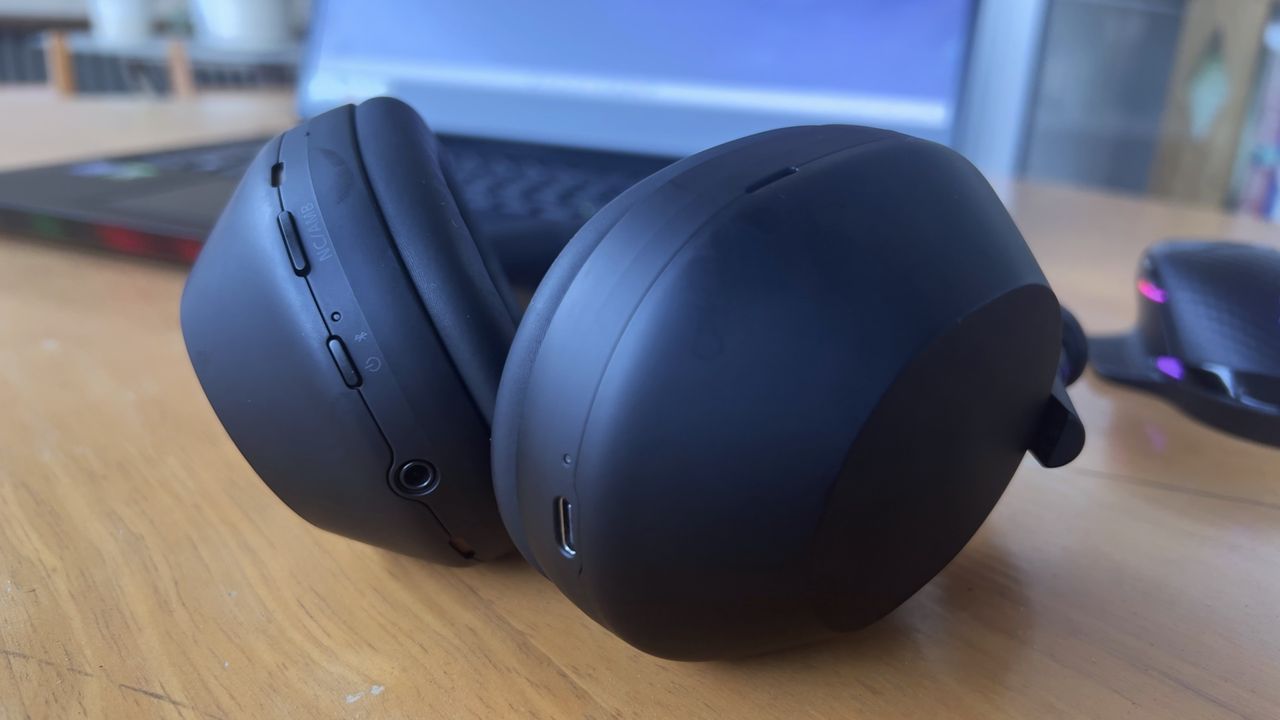
A new free software tool enables Sony headphone owners to transform their audio devices into head trackers compatible with over 200 PC games. The application leverages built-in sensors found in many Sony wireless headsets to detect head movement, feeding that data directly into games that support head tracking functionality.
The software works by accessing the accelerometer and gyroscope sensors already present in compatible Sony headphones. Players can now use natural head movements to control camera angles, aim assistance, or other in-game mechanics without requiring dedicated hardware like VR headsets or expensive TrackIR systems. This approach democratizes head tracking, historically a niche feature reserved for simulation enthusiasts willing to invest in specialized equipment.
The compatibility list spans a wide range of genres. Flight sims like MSFS 2024 and DCS World benefit from natural head movement controls. First-person shooters gain subtle aiming refinement. Racing titles like Assetto Corsa Competizione and iRacing receive improved situational awareness. Even third-person games and action titles gain camera control flexibility through head tracking.
Setup appears straightforward. Users download the software, pair their Sony headphones via Bluetooth or USB, and enable head tracking within compatible games. The tool runs in the background, translating headphone sensor data into game inputs. No hardware modifications or additional purchases are required.
This development represents a clever repurposing of existing consumer electronics. Sony headphones already contain the necessary sensors for this functionality. The software simply unlocks capabilities lying dormant in devices millions of players already own. It's a practical solution to a previous barrier to entry. Head tracking remains popular among competitive gamers and simulation enthusiasts, but cost and setup complexity kept adoption limited. Free software removes both obstacles.
The 200-plus game compatibility suggests broad integration with common game engines and input systems. Success depends on ongoing development and community adoption. If the tool proves reliable