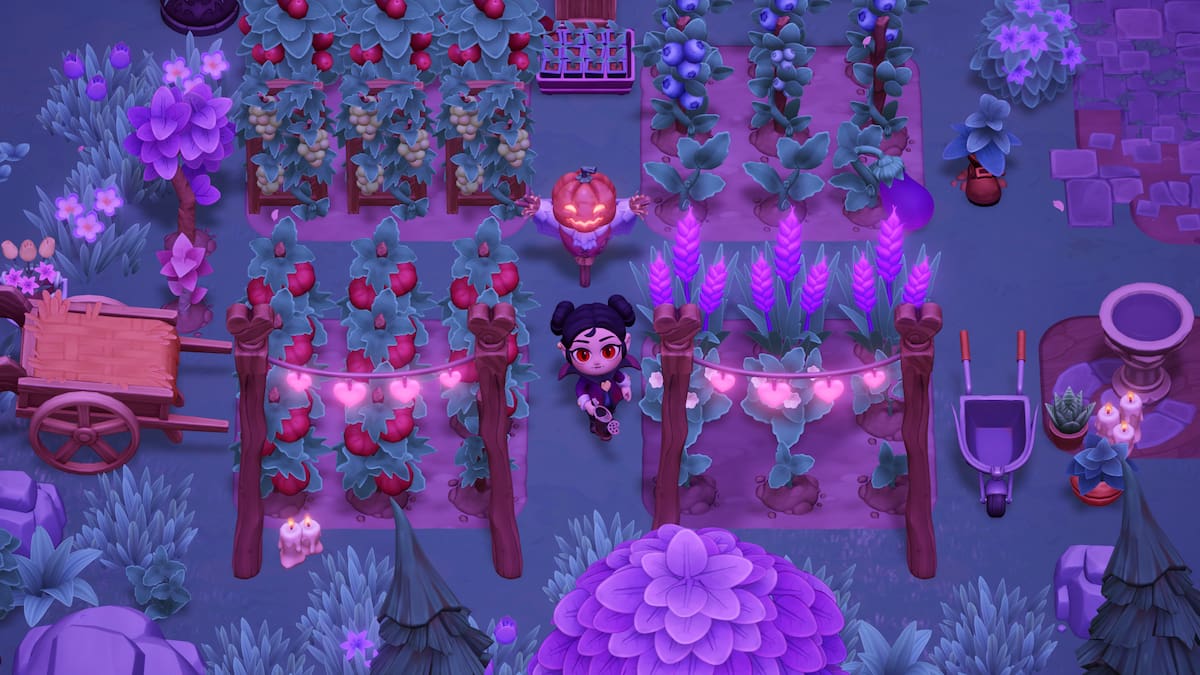
Moonlight Peaks delivers a supernatural adventure built on charm and mystery. The indie title carves out its own space with a focus on magical worldbuilding rather than combat-heavy mechanics. Players explore an atmospheric environment where supernatural elements drive exploration and discovery forward.
The game succeeds at creating an inviting sense of wonder. Environmental design encourages curiosity, with each location offering visual clues and narrative breadth. Puzzles tie directly to the supernatural theme, requiring players to interact with magical systems rather than brute-force solutions. This approach keeps pacing deliberate without feeling sluggish.
Character interactions flesh out the world. NPCs feel purposeful rather than window dressing, offering lore that builds context for the larger mystery. Dialogue doesn't bloat scenes. Conversations land their beats and move forward naturally.
The visual presentation matches the tone. A cohesive art style maintains consistency across environments while keeping performance stable. Lighting design emphasizes the supernatural atmosphere, using shadows and glows to guide attention and set mood. Sound design complements this work, with an understated soundtrack that never overwhelms exploration.
Where Moonlight Peaks stumbles involves pacing in the second act. The game stretches certain sequences longer than necessary, testing patience before revelations arrive. Some puzzles repeat mechanics slightly too often. These moments don't break the experience but do create dead spots in forward momentum.
The ending payoff justifies the investment. Moonlight Peaks builds toward a climax that honors the mystery established throughout. Resolution feels earned rather than rushed or convenient. Post-game content extends value for players seeking more time in this world.
Moonlight Peaks targets players seeking adventure over action. Fans of narrative-driven indie games like Night in the Woods or Kentucky Route Zero will find familiar DNA here. Those expecting real-time combat or challenging systems should look elsewhere.
For indie studios aiming at