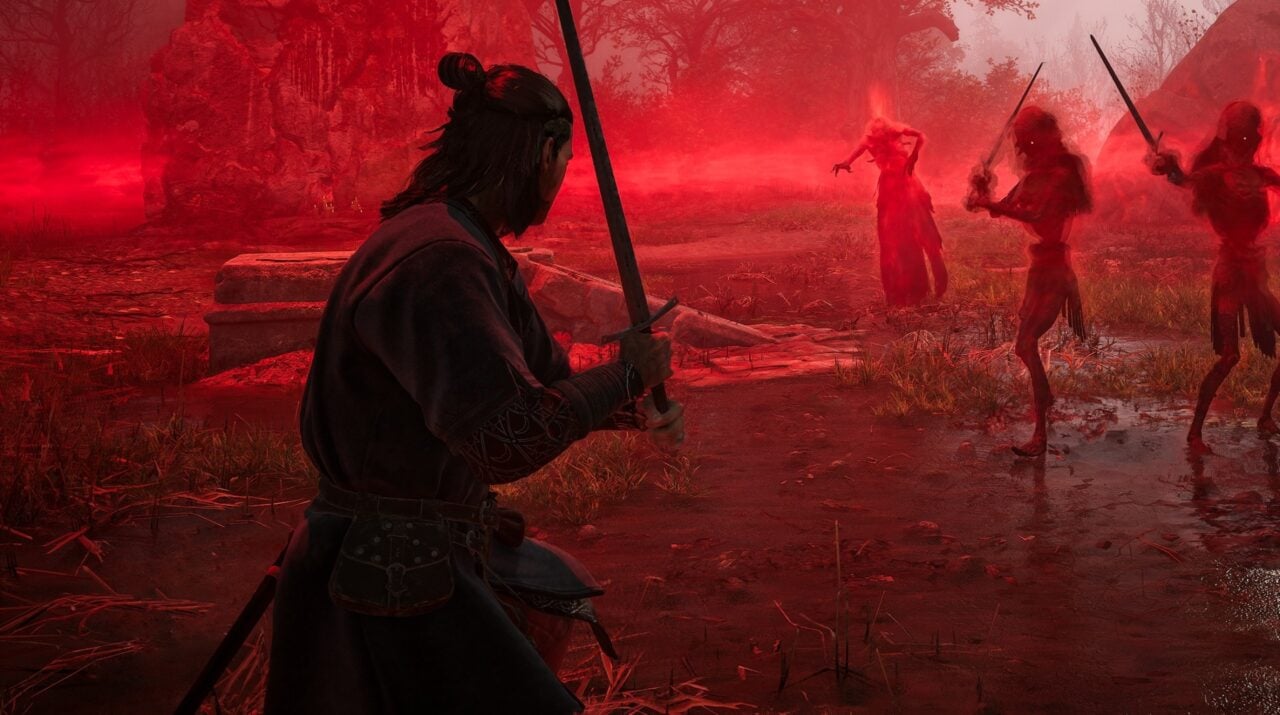
Blood of Dawnwalker positions itself as a Witcher-like that borrows from CD Projekt Red's formula but swaps the monster-hunting framework for something fresher. The game tasks players with hunting down vampire lords across a dark fantasy world, using investigation and combat systems inspired by The Witcher 3. Wild Brew Games developed the title as an action RPG with real teeth.
The killer twist lies in its asymmetrical multiplayer mode. One player controls the vampire lord while others hunt them down, reversing the typical power dynamic. This inversion transforms what could be a straightforward single-player experience into a cat-and-mouse game with genuine stakes. The vampire player must use stealth, manipulation, and supernatural abilities to survive while hunters close in with medallions, potions, and tactical advantages drawn from the Witcher formula.
Combat mirrors The Witcher 3's rhythm-based system, emphasizing preparation and counterattack over button mashing. Before missions, players craft potions, study enemy weaknesses, and plan their approach. Dawnwalker demands this discipline during fights. Encounters feel weighty and deliberate rather than fluid.
The single-player campaign follows a narrative-driven structure where investigation precedes confrontation. Players gather clues, track targets, and uncover lore before engaging vampire lords. This pacing distinguishes Dawnwalker from pure action titles and honors the Witcher-like framework without copying it wholesale.
Wild Brew Games taps into genuine demand. Players hunger for more Witcher-style experiences, and CD Projekt Red hasn't released a new mainline entry since 2015. Elden Ring's success proved audiences want challenging, deliberate combat. Dawnwalker arrives at the intersection of these appetites.
The asymmetrical multiplayer carries risk. Balancing a vampire player against multiple