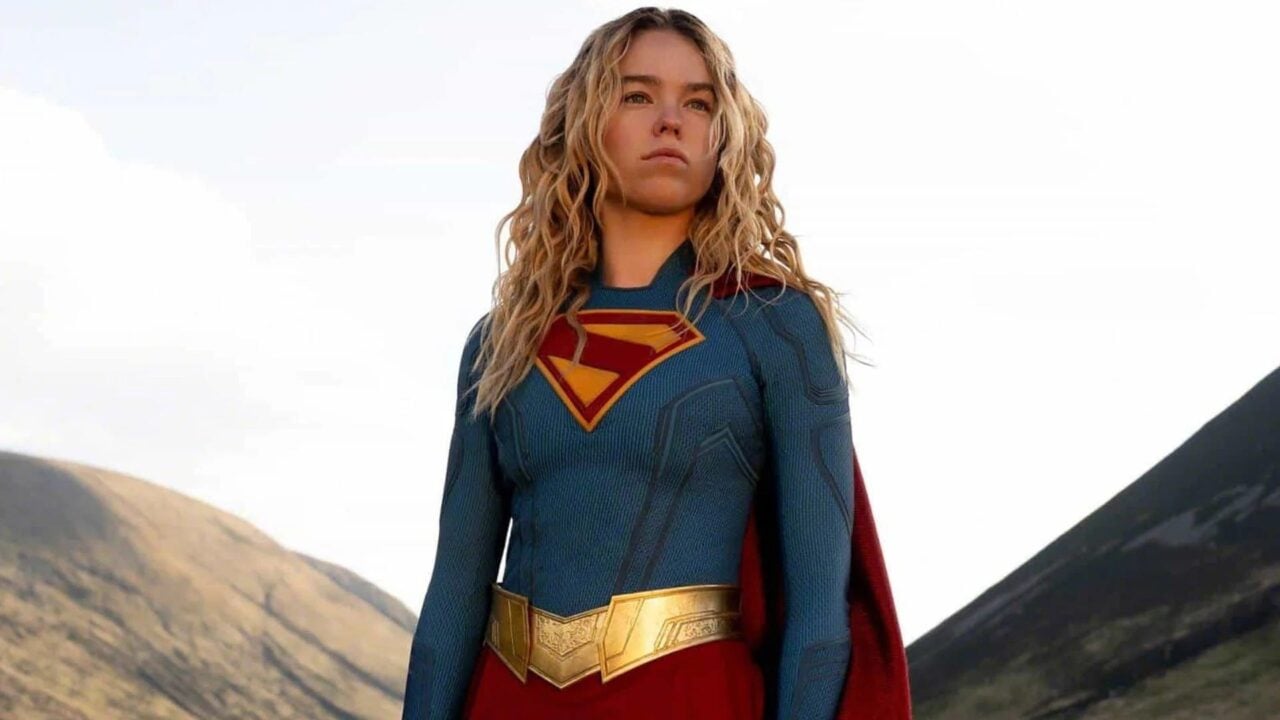
DC Studios moved aggressively to distance itself from reported behind-the-scenes turmoil on Supergirl, creating its own cut of the film separate from the original production. The studio's decision to intervene at this level signals serious internal conflicts plagued the set.
Details remain sparse on the exact nature of the drama, but the move reflects DC's willingness to essentially rebuild a finished film rather than release the original version intact. This approach mirrors previous studio interventions in troubled productions, though usually reserved for cases involving major cast or director conflicts that threaten a project's viability or public reception.
The Supergirl film sits within DC Studios' broader restructuring under James Gunn and Peter Safran's leadership. The studio has aggressively re-evaluated its slate, canceling projects like Batgirl and reworking others. Supergirl represents another casualty of this process, though the studio clearly committed enough resources to create an alternative version rather than shelve it entirely.
This decision carries real cost. Reshoots and re-edits burn studio money and delay releases. The fact that DC chose this path anyway underscores how damaging the reported issues became. Studio-created cuts typically happen when original versions face release-threatening problems, whether from creative differences, performance issues, or workplace conduct concerns.
For DC, the move protects brand reputation. Releasing a film marred by serious behind-the-scenes problems risks negative press that overshadows the actual product. By taking creative control, the studio attempts to reset narrative around the project and ensure its version reflects DC's current strategic direction.
The timing matters too. With Superman: Legacy and other DC projects ramping up, the studio cannot afford major franchise entries appearing compromised. Supergirl needed to either align with Gunn's vision or disappear. Creating a new cut allows DC to claim ownership of the final