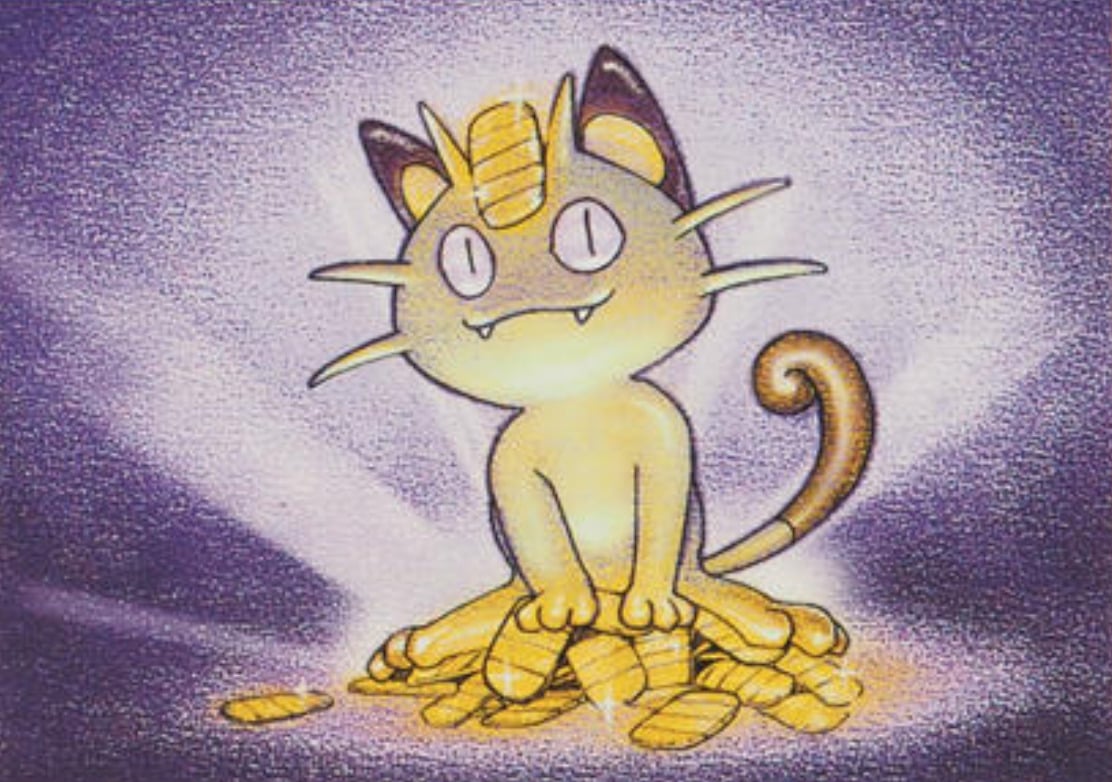
Nintendo president Shuntaro Furukawa committed to cracking down on Pokémon Trading Card Game scalpers during a shareholder meeting, acknowledging that massive production runs have failed to keep pace with demand. The company has printed billions of cards but continues to see secondary markets explode with inflated prices and reselling.
Furukawa stated that Nintendo is monitoring the situation and exploring solutions that include working with governmental bodies. The scalping problem has persisted for years, spiking dramatically during the pandemic when Pokémon TCG experienced a cultural resurgence among both collectors and investors. Booster boxes that retail for roughly $100 sell for $300 to $500 on the aftermarket. Single holographic cards regularly command hundreds or thousands of dollars.
The challenge sits at an intersection of supply, demand, and logistics. Nintendo increased manufacturing capacity significantly, but speculators continue to buy inventory at retail before fans can access it. Retailers struggle to enforce per-customer limits, and online drops sell out in minutes. Some stores implemented pre-order systems, while others stopped restocking entirely due to the chaos.
Furukawa's acknowledgment signals Nintendo takes the issue seriously enough to discuss it with investors. Whether governmental intervention becomes viable remains unclear. Potential approaches could include price controls, purchase limits at point of sale, or restrictions on resale platforms like eBay and TCGPlayer. International complications arise since different countries have varying regulations around collectibles and resale markets.
The Pokémon TCG generates billions annually for The Pokémon Company, a joint venture between Nintendo, Game Freak, and Creatures Inc. The scalping epidemic directly impacts that revenue by pushing casual players away from the hobby and damaging brand goodwill. Hardcore collectors still purchase heavily, but the mainstream audience Nintendo cultivated post-2020 faces barriers to entry that breed frustration.