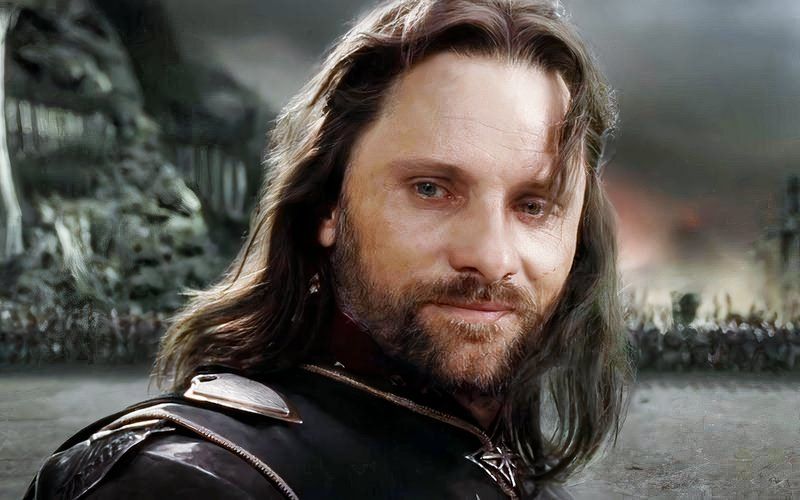
Peter Jackson's Lord of the Rings trilogy fundamentally altered Hollywood's approach to fantasy filmmaking, but studios spent the next quarter-century chasing the wrong elements. The films succeeded because of Jackson's meticulous adaptation of Tolkien's source material, his commitment to practical effects, and his willingness to spend three films developing character arcs and world-building. Instead, the industry extracted a simpler lesson: fantasy epics need massive budgets, sprawling casts, and multipart structures.
This misreading created a pattern of expensive failures. Studios greenlit adaptations without considering whether the source material warranted trilogy treatment or whether their creative teams possessed Jackson's attention to detail. Projects like The Golden Compass, The Hobbit (which stretched one book into three films), and countless other fantasy properties suffered from bloated production philosophies and rushed storytelling.
The real engine behind Lord of the Rings' success operated differently. Jackson surrounded himself with craftspeople invested in Tolkien's vision. He filmed all three movies simultaneously, allowing consistency in tone and performance. He hired New Zealand talent and shot on location rather than relying solely on sets and green screens. Most crucially, he trusted the audience's intelligence and patience with slower, character-driven moments alongside spectacle.
What Hollywood extracted was surface-level: the box office numbers, the awards, the runtime. Studios assumed bigger budgets guaranteed bigger returns. They commissioned multifilm contracts before scripts were finished. They hired A-list talent instead of performers who understood the material. They treated fantasy as a formula to replicate rather than stories requiring individual treatment.
The lesson studios should have learned involves discipline, respect for source material, and willingness to let stories breathe at their natural length. Instead, the industry spent 25 years producing expensive, bloated projects that mistook Jackson's commercial success for a blueprint rather than the result of exceptional execution. Only recently have film