Pavonis Interactive is expanding Terra Invicta, its ambitious sci-fi grand strategy game, with two new scenario modes that dramatically reshape the game's setting and mechanics.
The first scenario transports players to a post-apocalyptic world inspired by Fallout, where nuclear devastation has reshaped civilization. The second takes the opposite approach, placing players in the early 2000s during an era of widespread UFO skepticism, forcing players to build alien influence before humanity even believes extraterrestrials exist.
These scenarios fundamentally alter Terra Invicta's structure. The baseline game tasks players with responding to an alien invasion across a sprawling, slow-paced grand strategy experience. Early players found the 1.0 launch so deliberately paced that completing a single playthrough required months of engagement. These new scenarios offer thematic variations that should reduce completion time while providing fresh strategic puzzles.
The nuclear wasteland scenario introduces survival mechanics alongside traditional grand strategy layers. Players must manage factions and resources within a collapsed Earth before pursuing off-world colonization. The skeptical 2000s scenario flips the script entirely, requiring players to build alien credibility in a world dismissive of extraterrestrial contact, creating asymmetrical gameplay against human resistance.
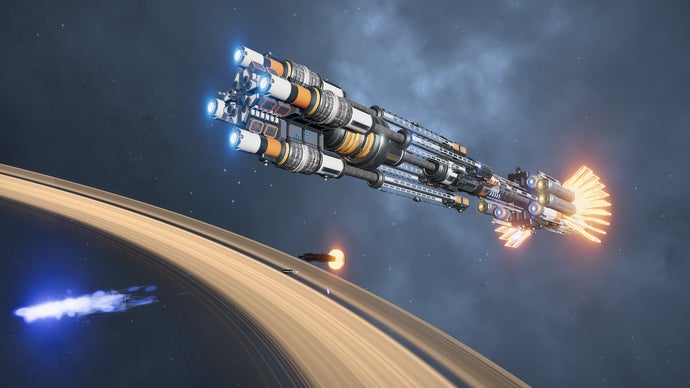
Pavonis Interactive also announced new spaceship designs, addressing visual fatigue for players committing hundreds of hours to asteroid colonization and diplomatic maneuvering.
Terra Invicta occupies a niche space in gaming. It demands patience and systems mastery from players willing to invest serious time. The game's original 1.0 launch delivered a full experience, but these scenarios signal developer confidence in expanding the title's longevity. Grand strategy players consistently replay titles like Crusader Kings III and Europa Universalis IV across dozens of playthroughs. These scenarios position Terra Invicta for similar replay value