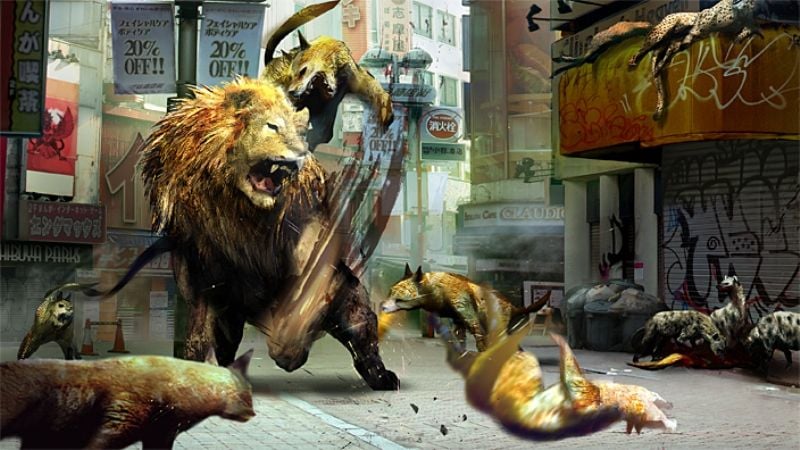
PlayStation is shutting down the PS3 digital storefront, forcing players to act fast on a library of exclusives and obscure titles that won't be available anywhere else. The closure deadline creates urgency around titles that defined the console's later years and captured its experimental spirit.
Tokyo Jungle stands out as the piece de resistance. Ponos's survival game tasks players with controlling animals in a post-human Tokyo, blending dark comedy with genuine strategy. The game's premise remains unmatched. Players hunt, breed, and evolve creatures across decades in an abandoned city. It launched as a PS Store exclusive in 2012 and never received a physical release. Once the storefront closes, acquiring Tokyo Jungle becomes nearly impossible without third-party sellers or emulation.
Beyond Tokyo Jungle, PS3's digital library held titles that reflected the platform's late-cycle experimentation. Games like Doki Doki Universe, Fl0w, and others shaped how indie developers viewed PlayStation. These titles existed in a moment when digital distribution on consoles felt fresh and borderless.
The PS3 storefront closure affects more than just curiosities. Delisted games become trapped behind legal and licensing barriers. Publishers delist digital releases for music, licensing agreements, or because maintaining servers costs more than revenue justifies. PS3 games face additional pressure since the console's install base has shrunk considerably. A title with modest digital sales may vanish entirely if its publisher decides the storefront listing isn't worth maintaining.
Players with PS3 consoles and existing library access retain the ability to re-download purchases. New buyers lose that option forever. The closure mirrors similar purges across gaming. Xbox has delisted games. Nintendo has removed titles from the eShop. Digital storefronts function on corporate timelines, not preservation timelines.
For collectors and historians, the PS3 closure represents a hard