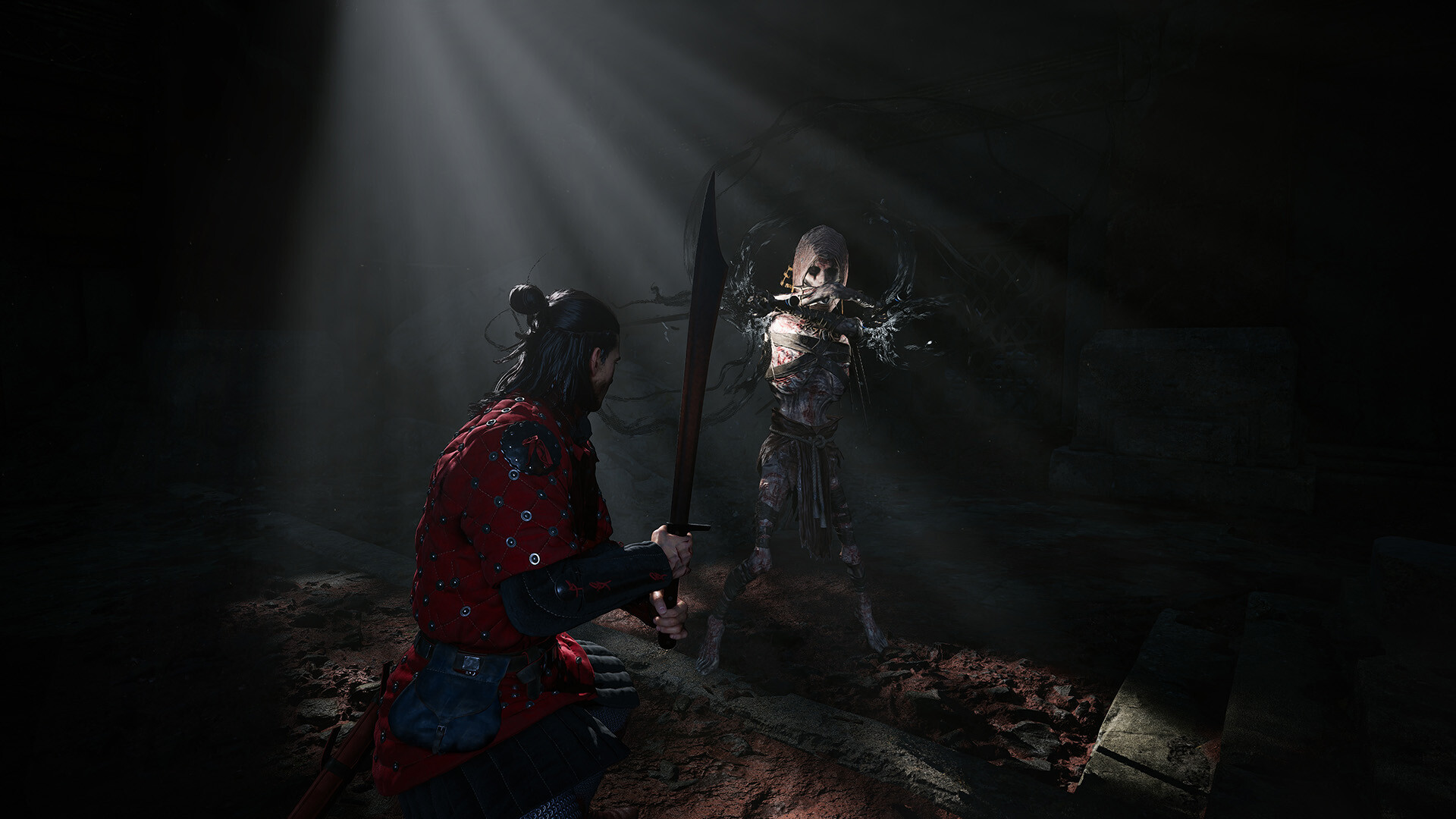
Rebel Wolves takes a radical stance with The Blood of Dawnwalker. The studio's creative director Konrad Tomaszkiewicz stated plainly that the game doesn't prevent fail states. Instead, players must adapt to consequences as they unfold.
This approach reflects a broader design philosophy where player choice carries weight. Rather than stopping progression when things go wrong, The Blood of Dawnwalker lets bad decisions ripple through the narrative. Tomaszkiewicz emphasized the RPG nature of the experience. "This is a role-playing game," he noted, explaining that adaptation defines the experience more than avoiding failure entirely.
Rebel Wolves formed in 2021 with veteran developers from CD Projekt Red, including quest designer Tomaszkiewicz. The studio's debut carries the DNA of that pedigree. The Blood of Dawnwalker functions as a vampire-focused RPG built on permadeath mechanics and dynamic storytelling that refuses traditional safety nets.
This design choice positions The Blood of Dawnwalker against modern RPG trends that often let players reload saves to optimize outcomes. Games like Baldur's Gate 3 allow save-scumming despite complex branching systems. Rebel Wolves rejects that approach. The studio trusts players to live with their decisions.
The vampire setting adds thematic weight to permanent consequences. Undead characters existing across centuries creates natural narrative space for failure to reshape how the story unfolds. A failed negotiation doesn't reset. A failed hunt changes your standing with factions. Death doesn't trigger a generic "continue" screen.
Market reception to this philosophy remains uncertain. Modern players expect accessibility options and the ability to undo bad choices. Hardcore RPG fans embrace consequence-driven design. Casual audiences may find it punishing. Rebel Wolves targets players willing to engage with failure as narrative content rather