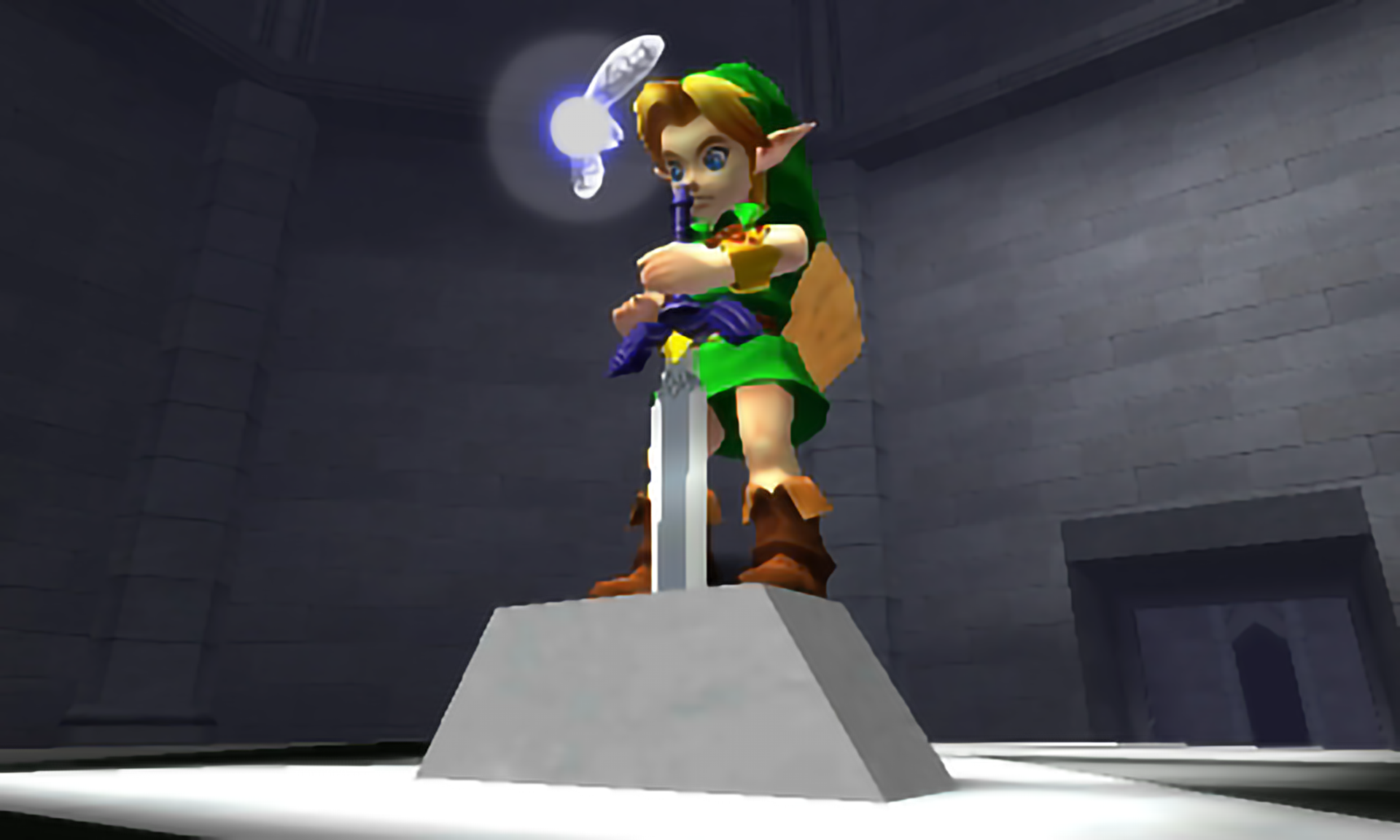
Nintendo's Legend of Zelda: Ocarina of Time features one of gaming's most misunderstood characters. Navi, Link's fairy companion, receives constant mockery from players who remember her as intrusive and annoying. The internet reduced her to a meme, defined by her repetitive "Hey" and "Listen" calls that interrupted gameplay moments. This reputation overshadows her actual role in the game.
Navi serves legitimate gameplay and narrative purposes that players often overlook. She provides crucial hints during puzzles, warns players of incoming danger, and delivers important dialogue from NPCs. Without her guidance, first-time players would struggle significantly with Ocarina of Time's complex dungeons and exploration sequences. She functions as an accessible tutorial system for a game released in 1998 when in-game guidance was less standardized.
The character also matters thematically. Navi represents Link's connection to Nayru, one of the Golden Goddesses, and her departure at the game's end carries emotional weight. Her absence in Majora's Mask directly influences that sequel's darker tone and Link's isolation. From a design perspective, Navi helped establish the companion character archetype that became central to future Zelda games.
The backlash against Navi reflects broader gaming culture problems. Players dismissed her assistance as hand-holding before such terms dominated online discourse. Gender dynamics played a role too. A male character offering the same hints might have received different treatment. The meme culture that followed cemented her negative legacy, overshadowing any appreciation for her function.
Recent Zelda games moved away from mandatory companion characters, partly influenced by this reputation. Breath of the Wild and Tears of the Kingdom offered players more autonomy, which worked brilliantly for those specific games. But the Navi hate shaped Nintendo's design philosophy in ways worth examining.