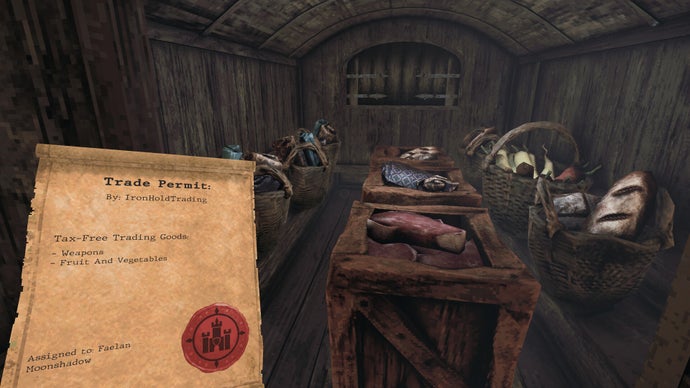
Dreadwoods Gatekeeper breaks the mold for Papers Please-inspired games by jumping into 3D, a rare move for the bureaucratic management subgenre. The indie title casts players as a lone gatekeeper stationed at an isolated outpost tasked with screening travelers, animals, and creatures attempting passage.
Most Papers Please derivatives stick to 2D visuals and closely mimic Lucas Pope's formula of document-checking and decision-making under pressure. Dreadwoods Gatekeeper diverges from this template with its 3D presentation and old-timey aesthetic, creating a more immersive checkpoint experience. The game emphasizes solitude and tension. Players man the gate solo, vetting an endless stream of arrivals including ordinary travelers, livestock like chickens, and explicitly undefined horrors lurking in the darkness.
The shift to 3D opens gameplay possibilities beyond pixel-art bureaucracy. Instead of scanning papers across a flat desk, players inspect visitors face-to-face at a physical gate, potentially creating more visceral encounters with whatever menaces approach. The inclusion of monsters alongside mundane travelers suggests the game blends Papers Please's administrative puzzle-solving with horror or survival elements.
The Papers Please subgenre exploded after 2013, spawning titles like Return of the Obra Dinn, Tickets Please, and Deny Licenses Revoke Permits. Most remained faithful to 2D interfaces and document verification mechanics. Dreadwoods Gatekeeper's willingness to experiment with 3D environments and mixed visitor types indicates developers continue finding unexplored angles within the formula.
The game's old-timey setting and isolated gatekeeper premise suggest atmosphere matters as much as decision-making. Whether players distinguish between legitimate travelers and threats through interrogation, observation, or item inspection remains unclear. The mention of "unknown horrors" hints