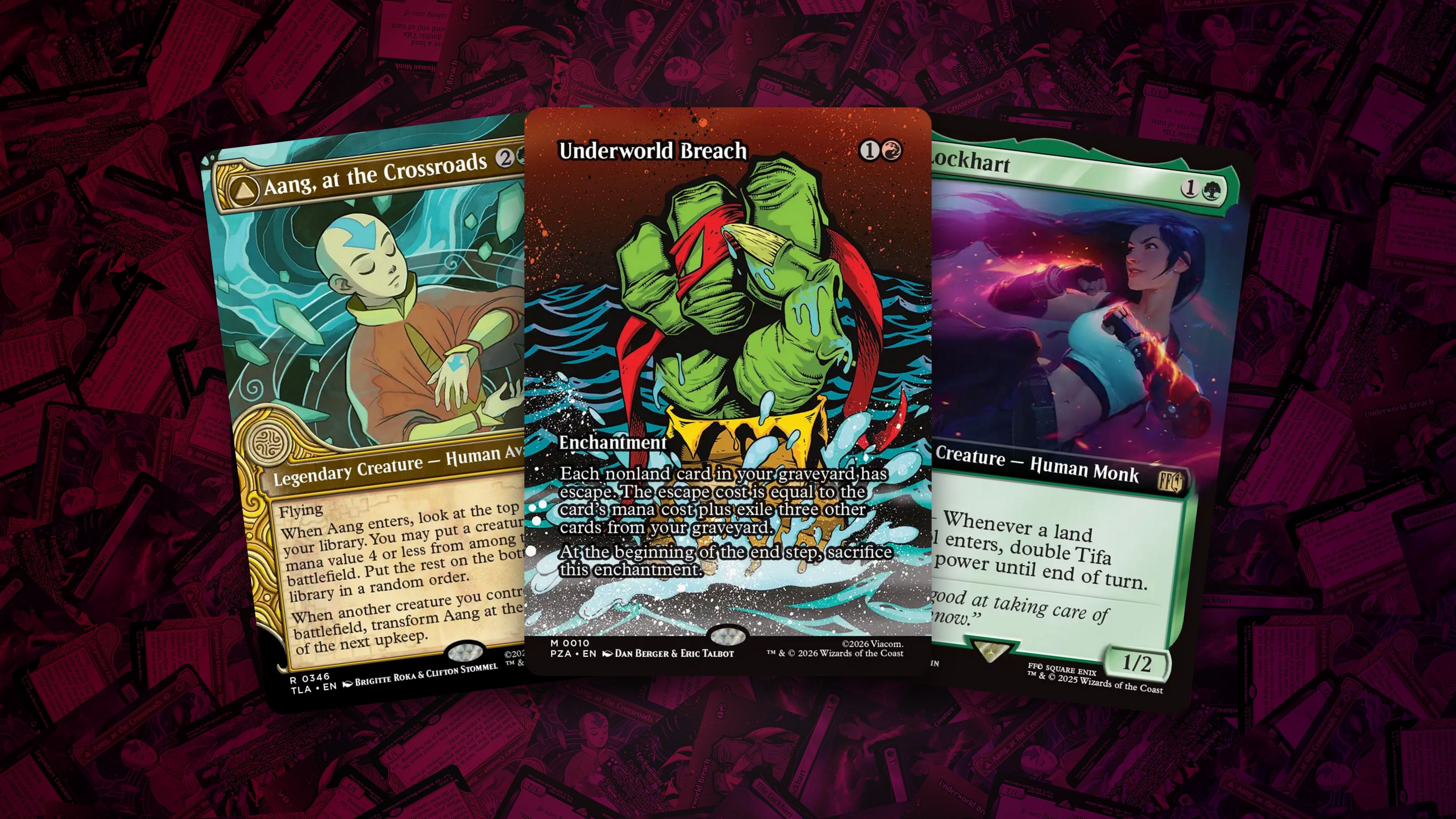
Wizards of the Coast's Universes Beyond initiative continues to polarize Magic: The Gathering's player base, but the crossover strategy delivers genuine value to the game's ecosystem. The program injects licensed intellectual property—from Lord of the Rings to Assassin's Creed—into Magic's card pool, expanding appeal beyond traditional fantasy enthusiasts.
Critics argue these collaborations dilute Magic's identity and create power creep issues when crossover cards outshine original sets. Competitive players worry about mechanical imbalance, while purists see the move as corporate cash-grab theater that ignores the game's thirty-year lore foundation.
The counterargument holds weight. Universes Beyond attracts players who never considered Magic before. Someone captivated by Baldur's Gate or Street Fighter characters now engages with Magic's mechanics, rules, and ecosystem. These crossovers generate revenue that funds future sets, including traditional Magic blocks that devotees cherish. The game's health depends on growing the player base, not maintaining an exclusionary gatekeep mentality.
Mechanically, Wizards exercises restraint more often than detractors acknowledge. Most crossover cards perform at standard power levels. Limited format balance remains intact across most releases. The studio also commits to timely bans when something genuinely breaks competitive play, demonstrating responsiveness to the community.
The real tension sits elsewhere. Magic's identity isn't fragile enough to shatter from Captain America appearing in a set. The core experience—building decks, executing strategy, interacting with opponents—remains unchanged. Universes Beyond functions as an on-ramp for new players, not a replacement for what existing players loved.
Polygon's piece correctly identifies that Wizards faces a growth problem that traditional Magic sets alone couldn't solve. Universes Beyond addresses that head-on. Yes, the approach feels merc