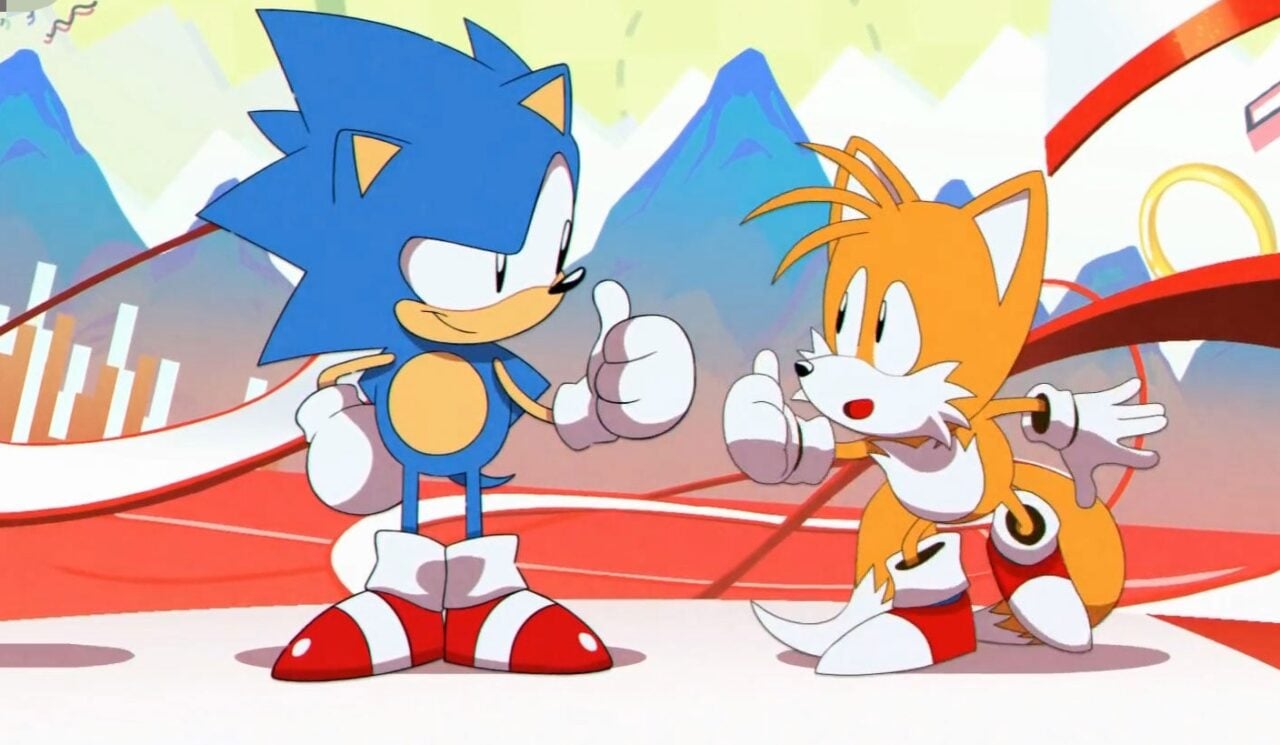
Sonic Mania arrived in 2017 as a corrective to years of missteps that had damaged Sega's iconic hedgehog franchise. The series had stumbled badly. Sonic Boom flopped across Wii U and 3DS. Sonic Forces released to mixed reviews. Meanwhile, nostalgia for the Genesis-era games remained potent among longtime fans who had grown increasingly vocal about their frustrations.
Sega took a calculated risk by handing development to Headcannon and PagodaWest Games, independent studios with deep knowledge of classic Sonic design. The result stripped away the modern complications that had plagued recent entries. No gimmicks. No overstuffed narrative. Just tight platforming on lovingly reconstructed stages that remixed classics like Chemical Plant and Flying Battery with fresh level design and surprising depth.
The strategy worked. Sonic Mania sold over 1 million copies across all platforms. Switch, PS4, Xbox One, and PC versions all found audiences. Players recognized that Sega had listened to their criticisms. The game proved that the franchise could succeed by respecting what made the original games compelling rather than chasing trends.
Mania also provided cover for Sonic Forces, which released months later to more forgiving reception. Having proved the franchise wasn't broken, Sega gained goodwill that buffered criticism of Forces' more controversial features.
More importantly, Mania's success sent a clear message to the industry about fan service done right. Sega didn't resurrect the old games wholesale. It rearranged them, rebuilt them, and honored the original design philosophy while adding new mechanics that evolved the formula. The game became a masterclass in how legacy franchises can reclaim credibility.
The 2024 announcement of Sonic Mania 2, while delayed, represents