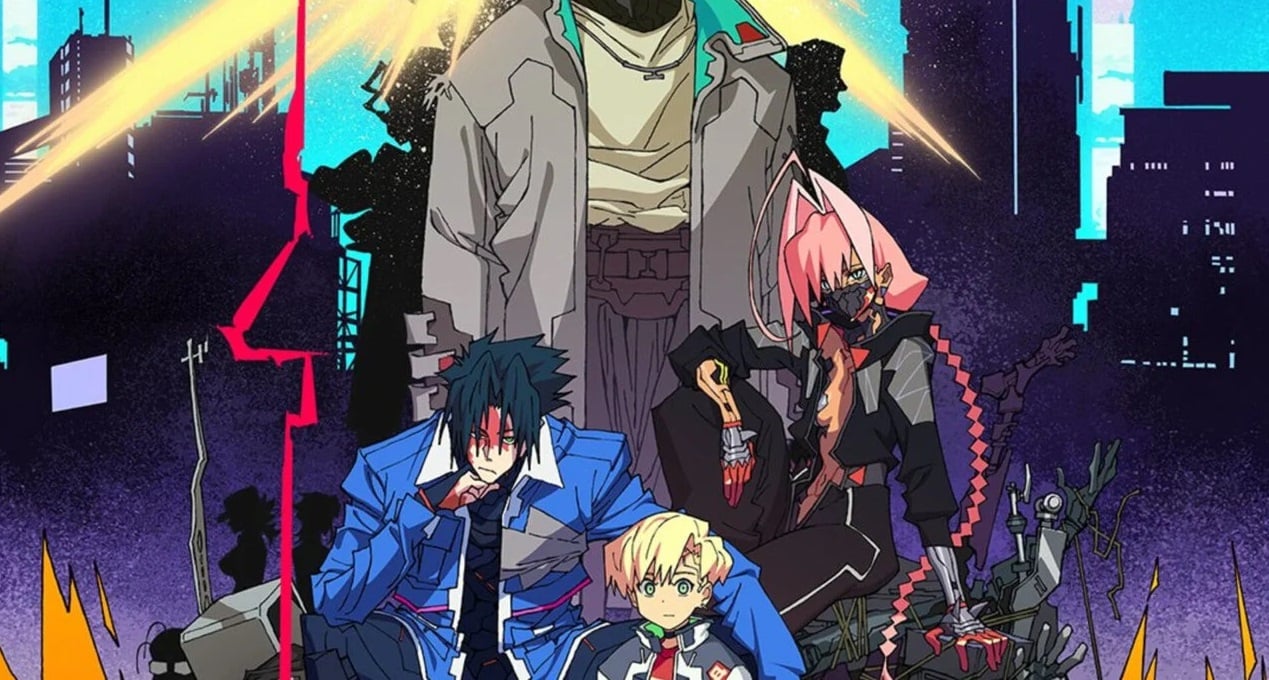
Cyberpunk: Edgerunners returns for season two with a narrative shift that prioritizes character depth and crime drama over spectacle. CD Projekt Red unveiled the premiere at Anime Expo 2026, signaling a deliberate departure from the explosive action focus that defined the first season.
The new season adopts a Scorsese-influenced approach to storytelling, emphasizing moral complexity and interpersonal conflict in Night City's criminal underworld. This tonal pivot moves away from the Michael Bay-style bombast of earlier episodes, instead focusing on dialogue-driven tension and consequence-heavy plotting. The studio's choice reflects lessons learned from the first season's reception and Netflix's ongoing investment in animated adaptations of gaming IP.
Season one of Edgerunners established the series as Netflix's strongest video game adaptation since Castlevania, generating substantial viewership and critical praise despite the troubled 2020 launch of Cyberpunk 2077. The show's success encouraged CD Projekt Red to expand the Cyberpunk universe across multiple mediums, with Edgerunners serving as a gateway for players unfamiliar with the tabletop roots of the franchise.
This narrative evolution matters for the broader landscape of gaming adaptations. Netflix and other streamers increasingly commission shows that deepen rather than simply visualize their source material. Edgerunners season two demonstrates confidence in the animated format's ability to explore mature storytelling without relying on CGI set pieces. The crime drama framework also positions the series to compete with prestige television rather than action-thriller benchmarks.
CD Projekt Red's decision to emphasize character work over action sequences suggests confidence in the fanbase's investment in Night City residents and their struggles. The Scorsese comparison speaks to ambitions around exploring power dynamics, loyalty, and the cost of survival in a dystopian corporate state. This approach could