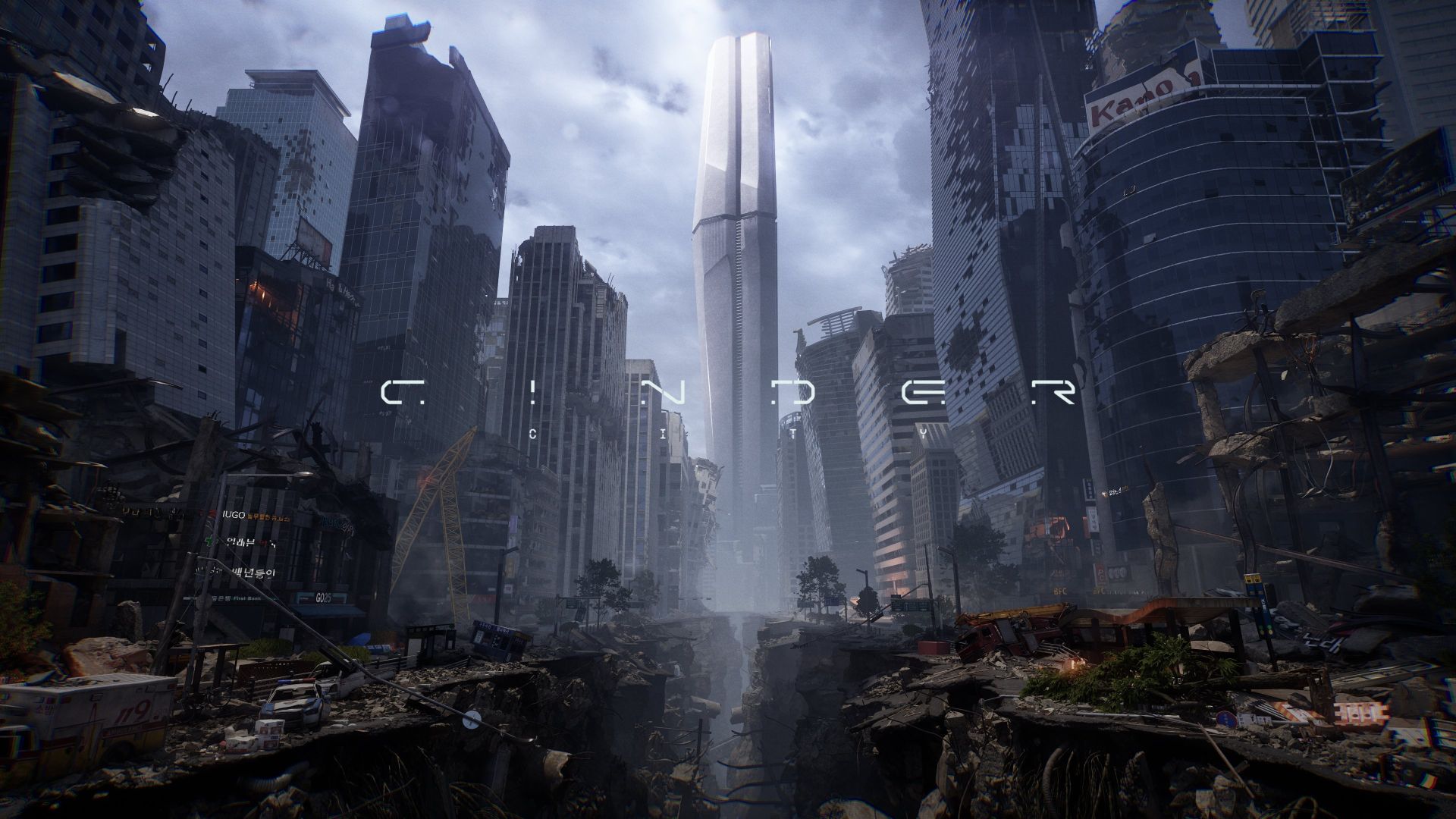
Cinder City's system requirements have been clarified, and developers confirm the game will not demand 64 GB of RAM as initially reported. The correction addresses early speculation that would have made the game accessible only to high-end PC builders.
Instead, the actual bottleneck sits elsewhere. Players will need a stronger GPU to run Cinder City smoothly. This shift in requirements makes sense given current gaming trends, where graphics cards handle rendering loads far more than system memory does in most titles.
The original 64 GB RAM figure likely stemmed from miscommunication or placeholder specifications that circulated online. Clearing this up prevents unnecessary panic among PC gamers shopping for hardware ahead of launch. Most modern gaming rigs already max out at 32 GB RAM anyway, making such requirements impractical for the broader market.
GPU demands are a different story. Cinder City appears graphically ambitious, requiring players to invest in a capable discrete graphics card. This puts the entry barrier more in line with other AAA releases rather than creating an unrealistic hardware wall that targets only enthusiasts with unlimited budgets.
The distinction matters for transparency. Gaming communities scrutinize system requirements closely because miscalculation leads to negative reviews and player frustration on launch day. By clarifying GPU focus over RAM bloat, developers set realistic expectations for their PC audience.
What specific GPU tier qualifies as "stronger" remains to be detailed, but the direction is clear. Nvidia RTX 3080 class cards or AMD's equivalent are likely targets for high-fidelity settings. Entry-level configurations might require older gen cards like the RTX 3060 Ti or RTX 4070.
This announcement reflects industry maturity around hardware communication. Not every game needs to push every component equally. Cinder City knows its bottleneck and communicates it directly.