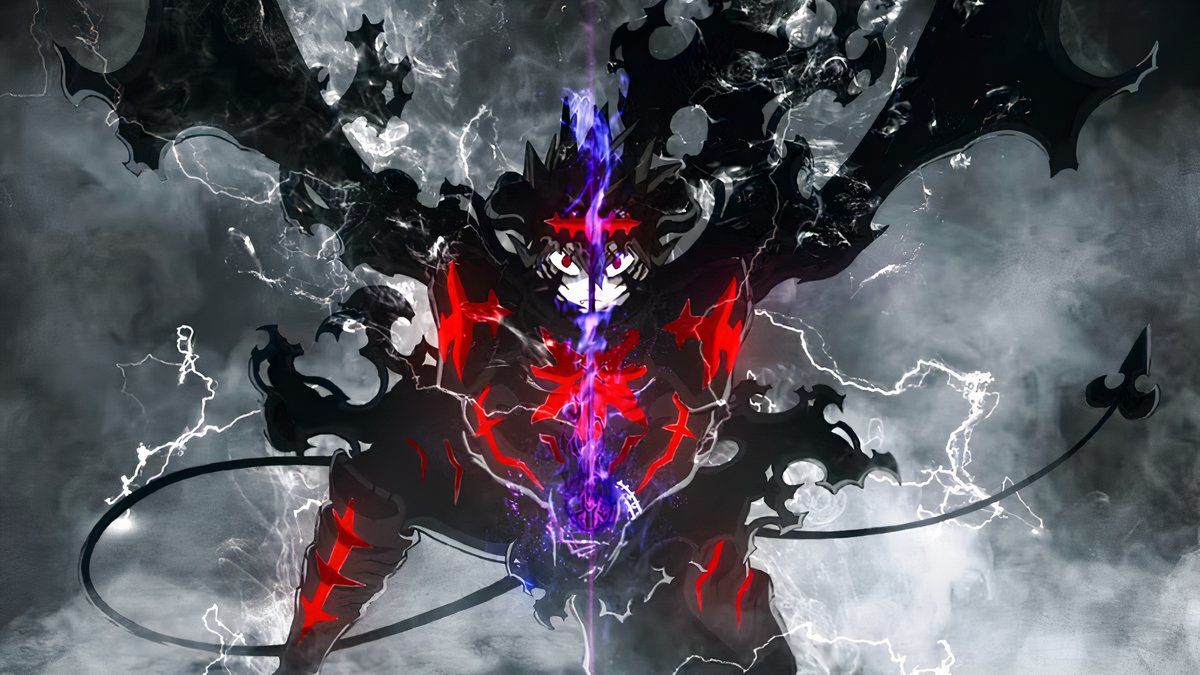
Black Clover returns with season 2, bringing back the shonen series to screens after a hiatus. The new season reunites protagonist Asta and his ragtag Black Bulls squad as they face escalating threats in a darker, more complex narrative arc.
The anime adaptation of Yuki Tabata's manga has built a loyal fanbase through its underdog narrative and character-driven storytelling. Asta's journey from powerless peasant to magic knight remains the series' emotional core, and season 2 expands that foundation significantly. The returning cast delivers the comedic chemistry and earnest character moments that define Black Clover's appeal.
This season marks a tonal shift for the franchise. Previous arcs focused on team-building and internal competition within the Magic Knight ranks. Season 2 escalates external threats and introduces larger stakes that force characters beyond their established comfort zones. The Spade Kingdom arc, pulled directly from Tabata's source material, presents villains with ideological depth rather than simple antagonism.
Animation quality improvements from the production team showcase enhanced action sequences and environmental detail. Combat choreography captures the kinetic energy of the manga's panel layouts, a consistent strength of the anime's adaptation approach.
Black Clover occupies a specific niche within the shonen landscape. Unlike mainstream competitors like My Hero Academia or Jujutsu Kaisen, it prioritizes earnest character growth and team dynamics over shock-value plot twists. This philosophical consistency has retained viewers through multiple story arcs and seasonal breaks.
The timing of season 2's release capitalizes on renewed anime industry momentum. Streaming platforms continue investing in established IP with proven fanbases, and Black Clover's consistent viewership metrics justify that confidence. The series demonstrates that shonen anime sustained through genuine storytelling rather than viral moments builds lasting audience loyalty.
For fans awaiting the anime