# Summary
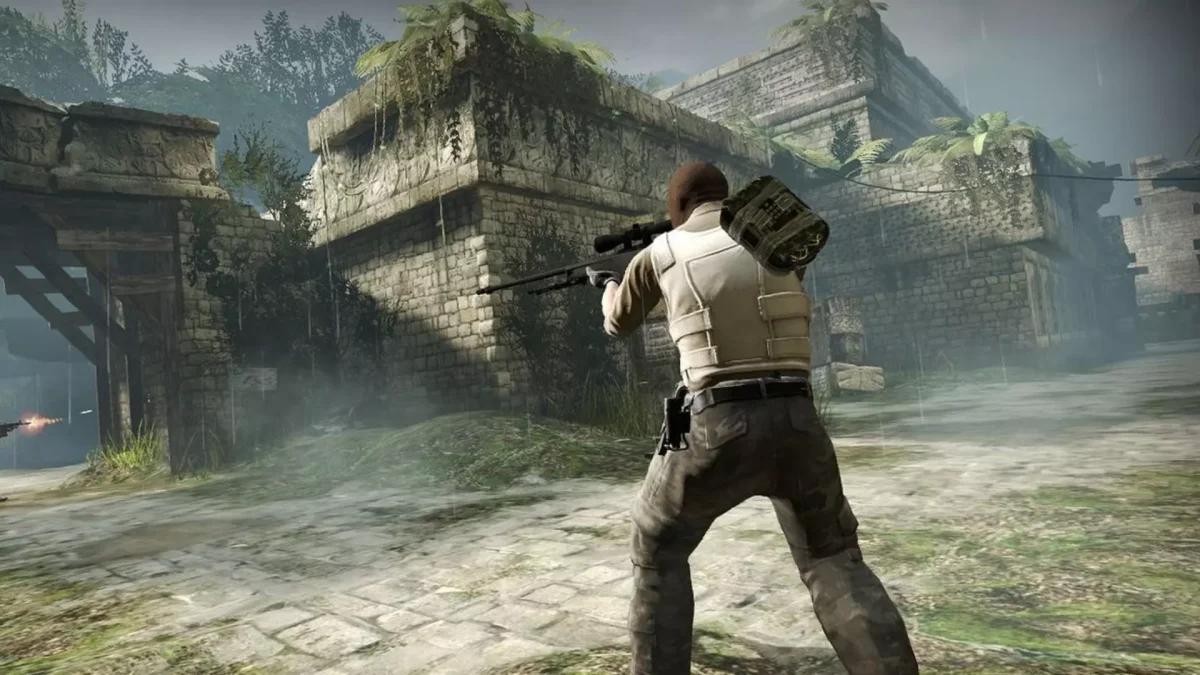
Valve's decision to deprioritize a legacy title in favor of advancing its platform infrastructure has backfired in the best way possible. The game, which Valve essentially sidelined during a major modernization push, now ranks among Steam's most-played titles despite receiving minimal ongoing support.
This situation highlights a recurring pattern in the industry. Developers frequently make calculated sacrifices, discontinuing legacy projects or reducing support to concentrate resources on newer systems or platforms. Valve's move followed this playbook, yet player demand has kept the title alive and thriving without substantial developer intervention.
The phenomenon reveals something fundamental about player attachment and community strength. When a game connects deeply with its audience, the playerbase itself becomes the primary engine of longevity. Steam's infrastructure allows games to persist and accumulate new players long after developers shift focus elsewhere.
This also underscores the unpredictability of market forces. Valve likely anticipated that newer titles or systems would supersede the legacy game. Instead, sustained player interest contradicts those projections. The title continues drawing concurrent players at levels that rival many new releases, suggesting either persistent niche appeal or broader mainstream staying power.
The irony cuts deep for platform holders and publishers. By "sacrificing" games for progress, they occasionally create the conditions for unexpected resurrections. Steam's distribution model, player review systems, and discovery algorithms ensure older titles remain visible and accessible. Content rarely truly dies on modern storefronts.
For the industry, the takeaway extends beyond Valve's specific situation. It demonstrates that player communities and network effects can sustain games independent of developer roadmaps. Success on platforms like Steam depends less on constant updates and more on the foundational quality and community cohesion a title establishes. Legacy titles often prove more durable than publishers initially forecast, especially when the playerbase remains engaged.