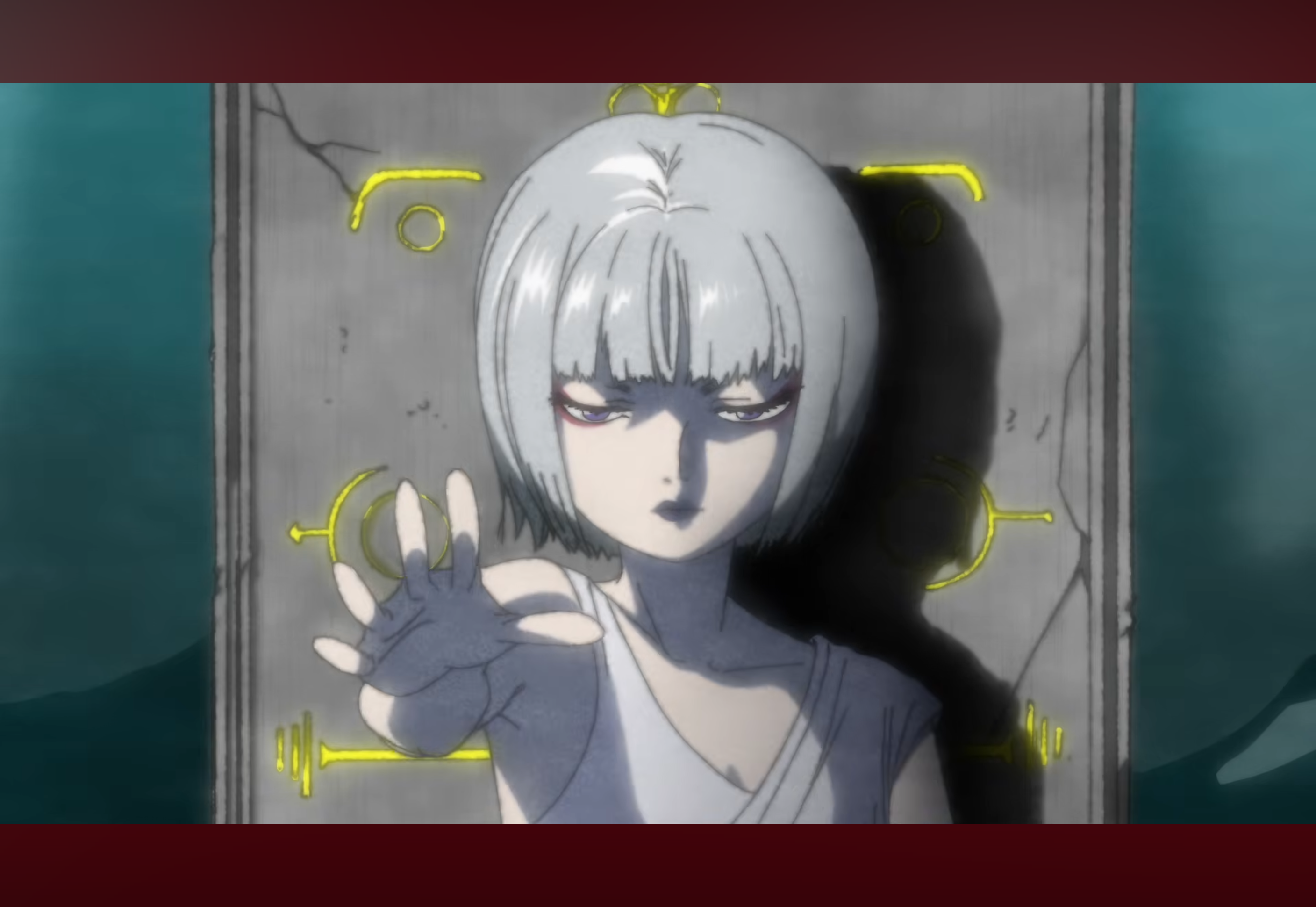
Yoshitaka Amano, the legendary character designer behind Final Fantasy's most iconic visuals, revealed a hand-drawn anime adaptation of Deva Zan at Anime Expo. The project showcases a complete proof of concept executed entirely by hand, marking a deliberate return to traditional animation techniques amid an industry increasingly reliant on digital and CGI methods.
Amano's involvement signals a bold creative statement. His distinctive art style, honed across decades designing Final Fantasy protagonists and creatures, translates directly into the animation's visual identity. The 100% hand-drawn approach stands out sharply against contemporary anime production, where studios routinely blend digital compositing, 3D models, and cost-cutting shortcuts into final frames.
The Deva Zan adaptation adaptation adapts source material Amano clearly championed enough to champion at a major industry event. By presenting the proof of concept at Anime Expo, a premier gathering for anime fans and professionals, Amano positioned the project as both artistic statement and market test. The audience response signals whether there exists viable demand for hand-drawn anime at a time when production costs favor faster, cheaper alternatives.
This move addresses a growing concern among animation purists. Studios like MAPPA and Ufotable have proven hand-drawn anime still captivates audiences when properly funded, but such productions remain exceptions rather than industry standard. Most televised anime now mix mediums out of economic necessity, not artistic choice. Amano's project, backed by his considerable reputation and portfolio, challenges studios to reconsider whether cutting corners truly maximizes profit or merely minimizes risk.
The timing matters. Western audiences increasingly appreciate anime as an art form rather than just entertainment category. Premium hand-drawn productions like Demon Slayer's theatrical films command box office respect. If Amano's Deva Zan adaptation attracts backing and distribution