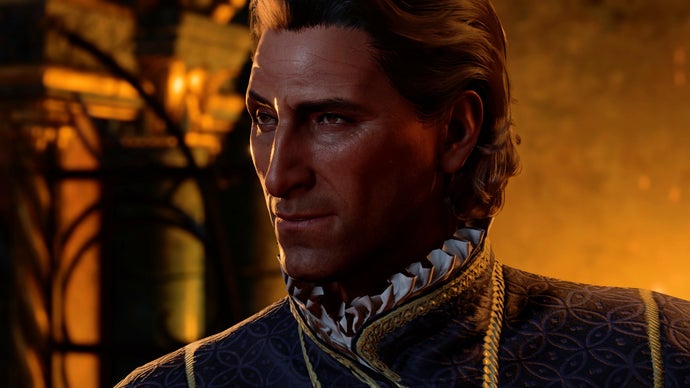
James Ohlen, the veteran designer behind Baldur's Gate games and current head of Archetype Entertainment, turned down Hasbro's offer to develop Baldur's Gate 4. Ohlen declined despite his deep history with the franchise and his proven track record in the genre.
The reason: impossibly high expectations. Larian Studios set the bar astronomically high with Baldur's Gate 3, delivering a critical and commercial phenomenon that redefined what players expect from D&D adaptations. Ohlen stated that meeting those standards would require "at least half a decade of horror," suggesting the development burden would be enormous and the risk of failure substantial.
This decision reveals the crushing pressure legacy franchises now face. Baldur's Gate 3 sold over 12 million copies and spawned countless industry-leading accolades. Any sequel must compete against that legacy while managing decades of franchise history and player nostalgia. For a studio like Archetype Entertainment, currently focused on its original IP Exodus, dividing resources and attention on a Baldur's Gate follow-up would be strategically unwise.
Hasbro clearly believes the franchise has untapped potential post-Larian. The tabletop publisher controls D&D licensing and actively seeks partners to expand the brand across media. However, securing talent willing to tackle a Baldur's Gate 4 proves difficult when the previous entry reset industry standards for AAA RPGs.
Ohlen's refusal underscores a fundamental truth about the modern gaming industry: not every franchise revival succeeds, and smart developers recognize when the odds are stacked against them. His focus on Exodus, a new sci-fi RPG built on his own vision, makes strategic sense. Attempting to follow Larian's masterpiece would have meant years of grueling development chasing an impossible target.
Bald