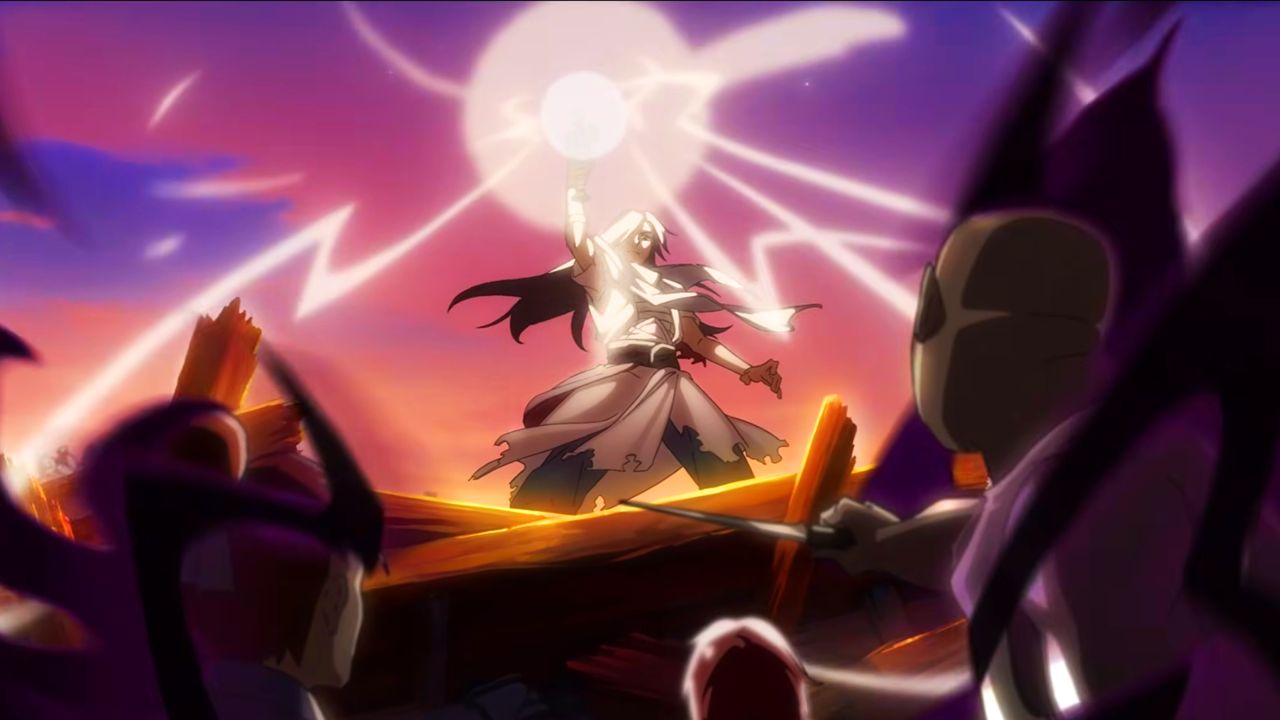
The Scroll of Taiwu has emerged as a surprise hit on Steam, capitalizing on the growing wave of Chinese-developed games dominating PC gaming. The indie title spent eight years in development before reaching its current form, creating something genuinely distinct in the market.
Developer Heluo Studio built The Scroll of Taiwu as a deep, systems-heavy experience that defies easy categorization. The game blends martial arts RPG mechanics with intricate simulation systems, sandbox elements, and procedural storytelling. Players manage a martial arts sect across generations, balancing internal politics, resource management, and combat progression while navigating a richly detailed historical Chinese setting.
The game's success reflects a broader shift in PC gaming. Chinese developers have moved beyond niche appeal to capture mainstream audiences on Steam. Titles like Black Myth: Wukong, Elden Ring's influence on Chinese soulslike games, and now The Scroll of Taiwu demonstrate that players worldwide embrace games rooted in Chinese culture and philosophy. Steam's global audience has proven receptive to these experiences.
The Scroll of Taiwu's eight-year development cycle shows what patient, iterative design can achieve. Heluo Studio refined mechanics through early access feedback, crafting a game with extraordinary depth. The complexity that might intimidate casual players becomes its core appeal to genre enthusiasts seeking something beyond standard RPG formulas.
Market timing matters here. With AAA releases frequently disappointing players through live service mechanics and monetization schemes, indie games like The Scroll of Taiwu offer complete, thoughtful experiences. The game launches with no battle passes, no seasonal content treadmills, no predatory systems. It's a finished product.
This success positions Chinese indie developers as major players in global PC gaming. The Scroll of Taiwu proves that cultural specificity and mechanical depth attract players tired of homogenized AA