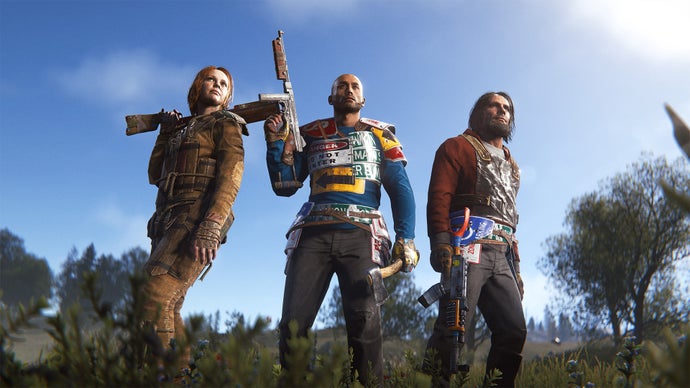
Facepunch Studios has introduced a landlord system to Rust with the Common Ground update, adding rentable apartments and shops that demand daily scrap payments or players lose their belongings. The survival game now forces players to manage housing costs alongside traditional survival mechanics like gathering resources and defending bases.
The update transforms Rust's gameplay loop by introducing urban living mechanics. Players rent residential spaces and commercial storefronts, but landlords demand regular scrap tributes to maintain tenancy. Fail to pay rent, and the landlord evicts you, confiscating your possessions. This mirrors real-world housing anxiety in a survival context, adding economic pressure beyond PvP threats and starvation.
The apartment system introduces role-playing elements rarely seen in Rust's hardcore survival framework. Instead of purely base building, players now navigate landlord relationships and budget constraints. The system includes both residential units and shops, suggesting players can now operate businesses within the game world rather than simply looting or raiding.
Facepunch has positioned Common Ground as a shift toward player-driven economy gameplay. This aligns with Rust's evolution from pure PvP sandbox toward more structured progression systems. The update acknowledges that many servers now run persistent communities rather than wipe-heavy competitive environments, creating space for landlord-tenant dynamics.
The daily rent mechanic creates constant resource sinks. Players must balance combat gear, weapons, and food supplies against housing costs. This tightens the early-game grind and adds consequences to poor economic planning. Landlords demanding scrap daily forces engagement rather than allowing players to hoard indefinitely.
Common Ground targets the survival game audience seeking complex systems. Rust players typically spend hundreds of hours on single servers, making long-term housing decisions worthwhile. The addition of commercial spaces opens roles for traders and shop owners, broadening playstyles beyond raider and defender archetypes