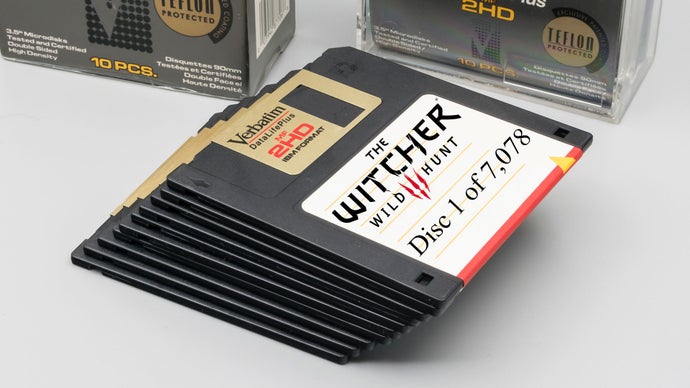
Sony will cease physical game production for PlayStation consoles starting January 2028. The company announced it will stop manufacturing discs for all new releases, including third-party titles, marking a permanent shift toward digital-only distribution on PS5 and future hardware.
The move mirrors PC gaming's transition to digital storefronts like Steam, which largely abandoned physical releases over a decade ago. Rock Paper Shotgun's editorial team debated whether this represents a genuine industry shift or simply consoles following a path PC carved long before.
Sony's decision eliminates player choice around game ownership and resale. Physical media allows secondhand markets and permanent access independent of licensing servers. Digital-only distribution concentrates control with platform holders, who can delist games, revoke access, or shut down services. Players who lose internet access lose their libraries. Collectors lose tangible products.
The timeline matters. January 2028 provides roughly eighteen months notice for retailers, publishers, and players. It's not abrupt, but it's not generous either. Publishers must decide whether to fund final physical runs or abandon disc manufacturing entirely. Smaller studios may face economic pressure to abandon physical altogether.
Console manufacturers have pushed digital sales aggressively through the PS5's diskless model and Xbox Series S, both cheaper than disc-capable variants. Digital removes manufacturing and distribution costs while increasing platform margins. It also strengthens Microsoft and Sony's control over pricing, updates, and game availability.
The PC market accepted digital dominance because Steam offered convenience, deep discounts, and functional client features. Console players haven't received equivalent value propositions. PlayStation Store prices remain higher than Steam's competitive landscape. Digital PlayStation games rarely drop below $20, while Steam regularly discounts AAA releases to $15 or less.
This represents consolidation of power rather than consumer benefit. Sony gains complete control over PlayStation's software ecosystem. Players gain convenience but lose ownership rights,