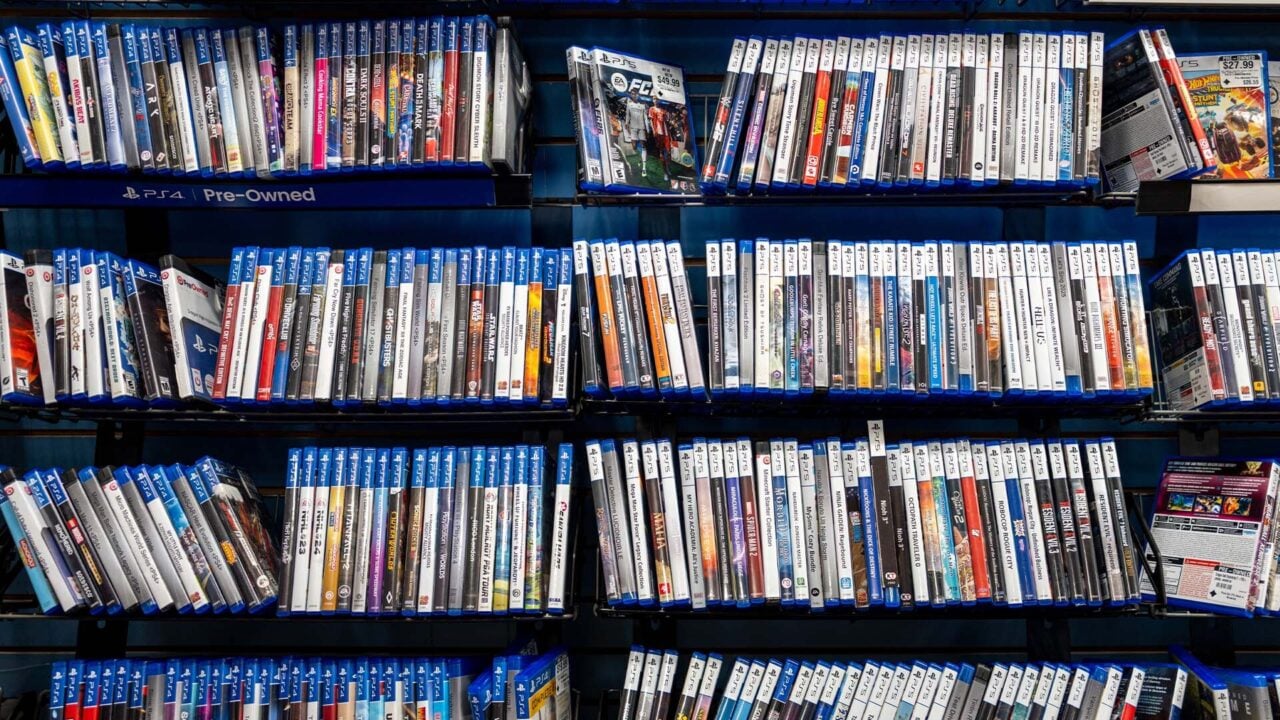
The used game market has fundamentally transformed. Bargain bins once stocked with $5 copies of last-gen titles at GameStop, Best Buy, and independent retailers have largely vanished. Digital distribution, subscription services, and the shift away from physical media have decimated the secondary market that defined console gaming for decades.
That loss matters. Used game bins offered accessibility. Budget-conscious players discovered hidden gems at rock-bottom prices. Collectors hunted rare copies. Trading in games created a circular economy where players funded new purchases through old inventory. GameStop built an empire on this model, but the retailer's decline mirrors the format's deterioration.
Several factors killed the bargain bin. Digital storefronts like Steam, PlayStation Store, and Xbox Game Pass undercut physical pricing within weeks of release. Subscription services like Game Pass offer rotating libraries for monthly fees, eliminating the used-game hunt entirely. Publishers now lean on live-service models that deprecate single-player campaigns, making older physical copies feel obsolete. Mobile gaming cannibalized casual player spending.
The rise of resale platforms like eBay and Facebook Marketplace fractured the concentrated retail experience. Sales scatter across dozens of sellers, eliminating the joy of browsing stacked bins. Online prices rarely dip low enough to match what retailers once charged. Shipping costs push the total expense higher than digital alternatives.
Nostalgia drives this piece, but the practical impact stings. New players entering the hobby face full $60-70 entry fees for current-gen games. Retro collectors still hunt used cartridges and discs, but selection has tightened. Libraries shrink when teenagers can't afford $5 copies of Madden or Call of Duty from a year prior.
Some independent stores still maintain modest used sections. Retro shops specialize in older hardware and classics. But the mass-market