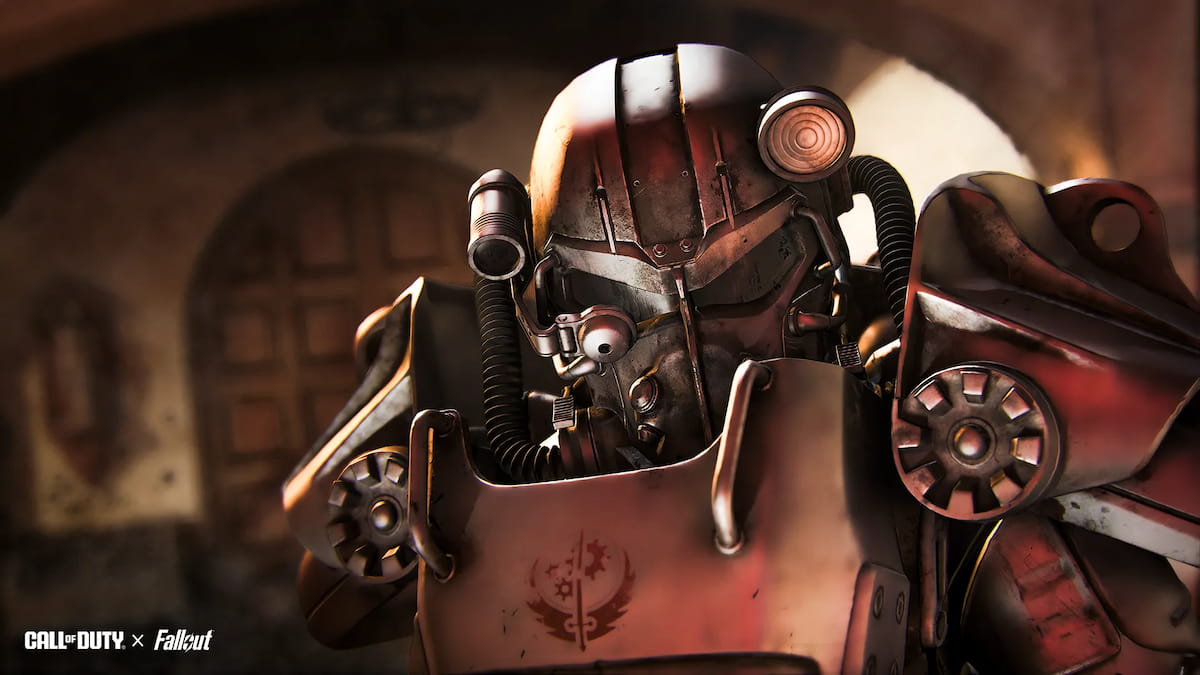
Hollywood's shift toward video game adaptations marks a decisive pivot away from the superhero dominance that defined two decades of cinema. The Batman 2 writer has observed studios fixating on gaming IP as the comic book bubble loses momentum.
The trend reflects market reality. Marvel's box office returns have declined. DC's theatrical universe fractured. Meanwhile, The Last of Us HBO adaptation found critical acclaim and mainstream viewership. Sonic the Hedgehog and its sequel proved video game properties could anchor theatrical releases. Castlevania, Arcane, and Cyberpunk 2077 adaptations demonstrate streaming platforms now prioritize games as source material.
Studios recognize built-in fanbases. Video game players number in the billions globally. IP like Grand Theft Auto, The Witcher, and Fallout carry established worlds, characters, and narrative frameworks. Comic books require less visual world-building than original IP, but games already contain cinematic sequences, cutscenes, and lore systems suited for adaptation.
The economic logic is simple. Game franchises generate revenue streams across hardware, software, merchandise, and content. A single game property can sustain multiple adaptation formats. Netflix's The Witcher succeeded because the source material had already validated the story's appeal across mediums.
Directors and writers now court gaming projects. The Batman 2 writer's observation signals a status shift within the industry. Games no longer represent risky source material. They represent safer bets than original screenplays.
This transition pressures remaining superhero projects to justify their existence. Studios must prove comic book adaptations still deliver returns. The market has spoken. Superhero fatigue is real. Game fatigue, by contrast, remains hypothetical.
Expect more announcements around adaptations of Splinter Cell, Metal Gear Solid, and Halo. Streaming services will greenlight game-based content ag