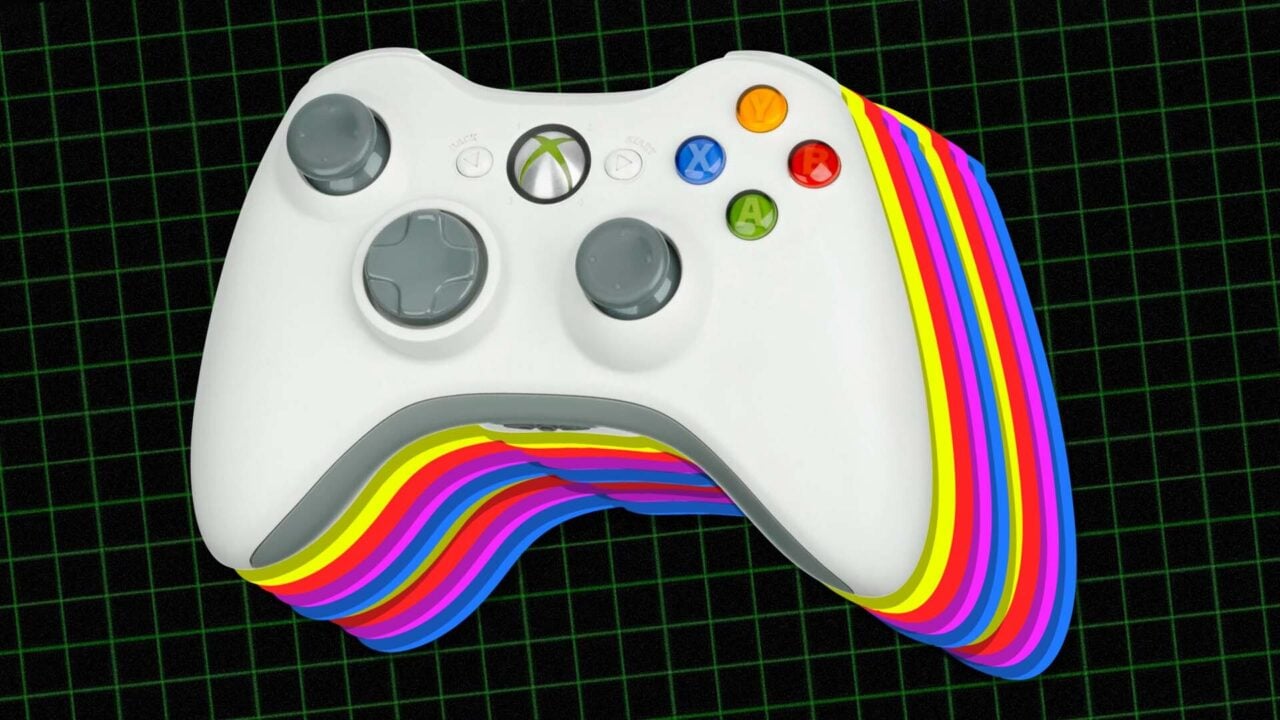
The Xbox brand faces a credibility problem that goes deeper than typical console cycle transitions. Microsoft's recent strategic pivot contains internal contradictions that undermine its stated goals.
The company claims to be "resetting" Xbox, yet key elements of this reset remain murky. Microsoft emphasizes first-party games as the foundation of its future, but the studio closures and personnel cuts that preceded this reset created immediate capability gaps. Bethesda suffered layoffs. Obsidian, inXile, and Ninja Theory all trimmed staff. These moves happen before, not after, a successful game pipeline materializes.
The messaging compounds the problem. Microsoft positioned Game Pass as the centerpiece of Xbox's value proposition, yet the service faces margin pressure and subscriber growth has plateaued. Adding day-one releases sounds consumer-friendly, but it cannibilizes full-price sales and creates financial tension with the subscription model itself. The math doesn't reconcile cleanly.
Hardware strategy adds another layer of confusion. Xbox Series X exists as a premium machine in a market where players gravitate toward PlayStation 5 and Nintendo Switch. Microsoft hasn't articulated a clear hardware roadmap beyond incremental refreshes. Where does the next-gen console fit? When? At what price?
The reset narrative also glosses over execution failures. Redfall launched broken. Starfield impressed some players but didn't become the system-seller Microsoft needed. Forza Motorsport arrived incomplete. These weren't launch anomalies. They signal ongoing quality control problems that staff cuts and studio reorganization don't solve.
What Microsoft actually needs is visible momentum. Concrete game releases from first-party studios. Hardware differentiation or a compelling reason to choose Xbox over competitors. Clear communication about why players should invest in this ecosystem rather than PlayStation or Nintendo.
The reset framework buys time for restructuring, but Xbox's audience remains skeptical. Talk