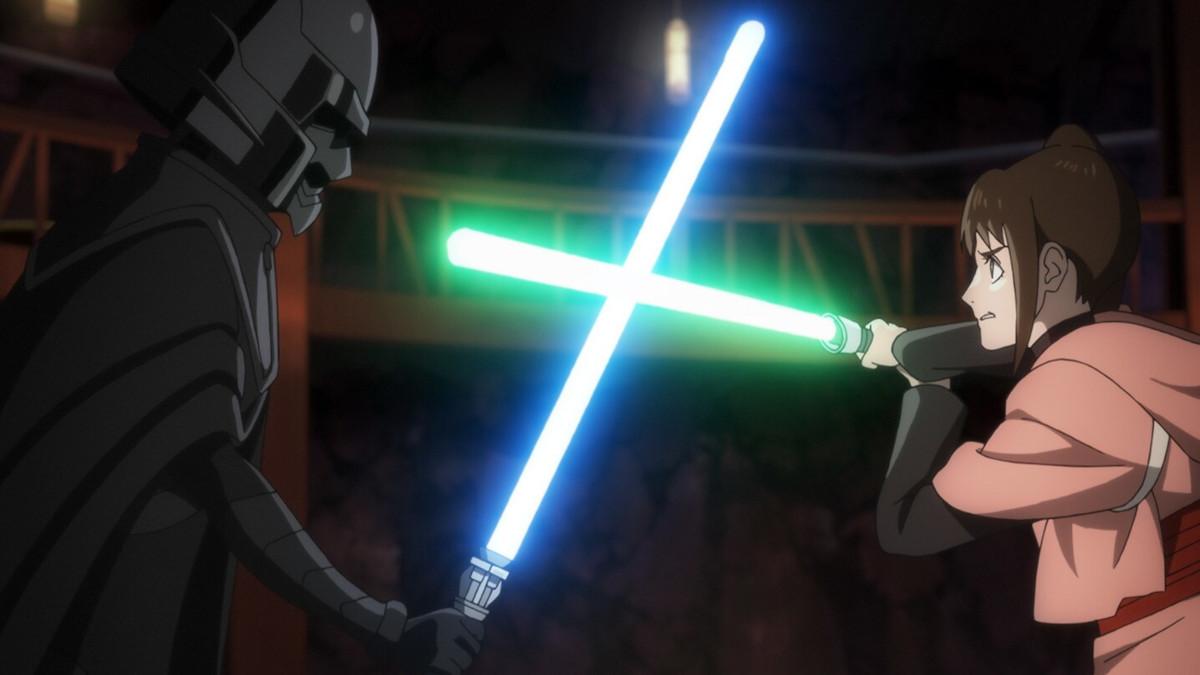
Production I.G., the studio behind Ghost in the Shell, developed a Star Wars project that features a villain drawing direct inspiration from Knights of the Old Republic's dark side philosophy. The antagonist embodies the morally gray worldview that defined BioWare's 2003 RPG classic, rejecting conventional notions of honor in favor of pragmatic villainy.
The character's quote, "Honor is a fool's prize," encapsulates this KotOR-adjacent approach to antagonism. Rather than pursuing power through traditional heroic struggle or even theatrical evil, this villain operates from a place of cynical calculation. This philosophy mirrors the Force-user archetypes that made KotOR's narrative branching so memorable. Players could pursue light or dark paths with genuine philosophical weight, not just moral checkbox systems.
Production I.G.'s entry into Star Wars storytelling represents the franchise's ongoing evolution beyond Lucasfilm's direct supervision. The studio brings anime sensibilities and character depth to a galaxy far, far away, much like how Dave Filoni's animated series revitalized Star Wars on screen. This collaboration signals confidence in creators willing to explore darker, more philosophically complex corners of the Star Wars universe.
KotOR's influence on modern Star Wars media remains understated but pervasive. The game established that Sith philosophy could transcend cackling villainy. Revan's complexity spawned decades of fan theory and expansion canon exploration. Production I.G.'s villain taps into that same well. Players and viewers recognize the archetype. They've spent two decades debating whether Revan's path was justified.
This approach works because it respects audience intelligence. Star Wars storytelling often skews toward clear-cut morality. Inserting a character whose conviction stems from rejecting honor itself creates friction. It forces engagement rather than passive consumption.
The Ghost in the