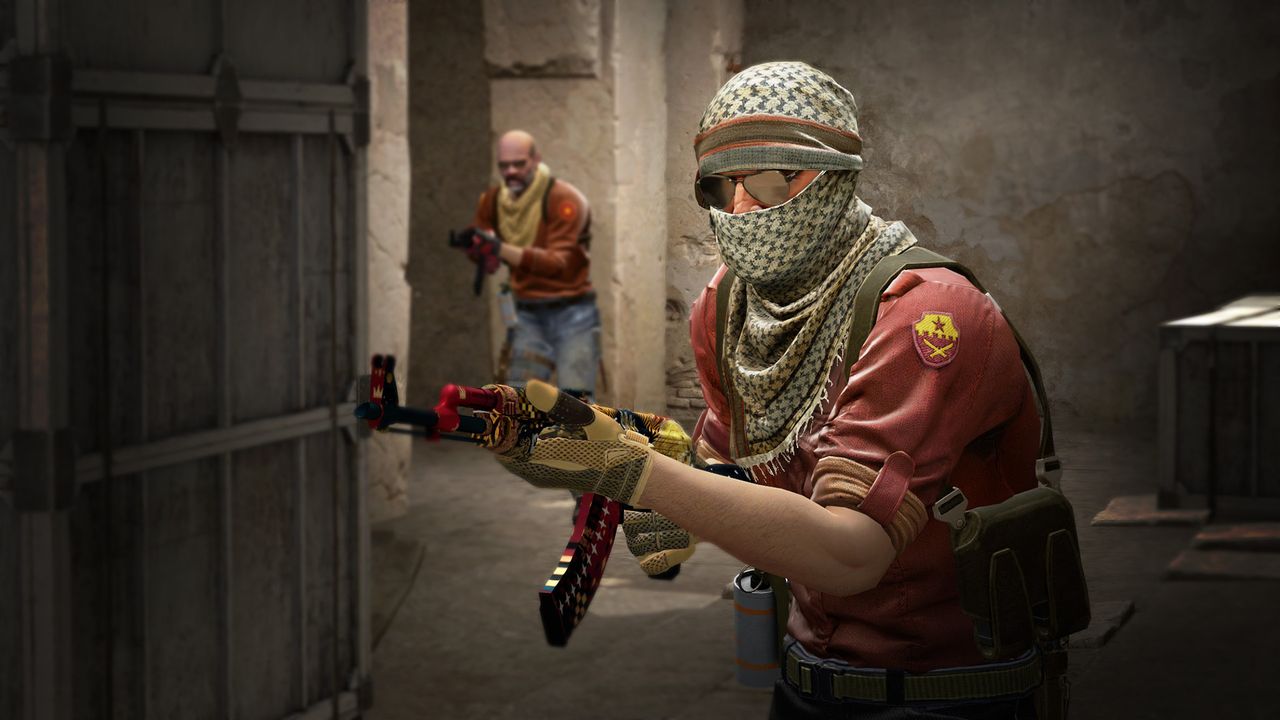
Counter-Strike Global Offensive has surged back to record player counts after Valve made it a standalone product again, creating an unexpected split in the franchise's playerbase. The move freed CS:GO from dependency on Counter-Strike 2, allowing players who prefer the older title's mechanics and stability to access it without CS2 acting as a barrier.
CS:GO now operates as a completely separate game on Steam, reverting to its original engine and gameplay feel. This decision reversed Valve's earlier strategy of making CS2 the successor, and the franchise now runs two distinct versions. Players flocked back to the classic iteration, drawn by familiar spray patterns, map layouts, and overall design philosophy.
The timing proves telling. While Counter-Strike 2 launched with new netcode technology and redesigned maps, it alienated portions of the competitive community who cited hit registration issues, visual clarity problems, and gameplay changes as reasons to stick with the original. CS:GO's resurgence demonstrates that not all players want the bleeding-edge version.
Valve's decision reflects industry reality. Player retention matters more than forcing adoption of new engines. The franchise now captures both audiences: CS2 attracts players seeking modern infrastructure and innovation, while CS:GO serves veterans and competitors who value proven mechanics over new features.
This strategy mirrors what Blizzard attempted with Overwatch 2 and what Riot Games manages with League of Legends and Valorant. Valve chose coexistence instead of replacement. The data supports this approach. CS:GO climbing to record numbers while CS2 remains Steam's most-played game suggests Valve successfully expanded its total Counter-Strike audience rather than cannibalizing one product.
The esports implications remain fluid. Most professional circuits adopted CS2, but grassroots scenes continue supporting CS:GO. Sponsors and broadcasters will watch whether both versions sustain long-term