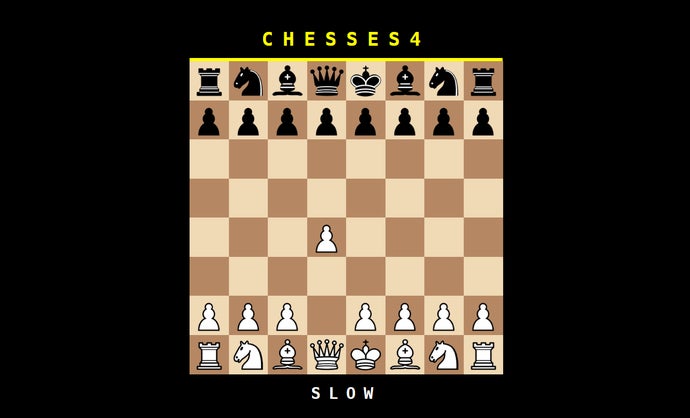
Pippin Barr, experimental game designer and university professor, has struck again with another chess subversion project. Back in 2019, Barr released a browser-based game called Chesses that offered eight absurdist variations on the classic strategy game. The project deliberately mangled chess mechanics to make the ancient game accessible and entertaining to non-players.
Now Barr has returned to wreck chess once more. His approach treats the 1,000-year-old game not as something sacred, but as raw material ready for comedic deconstruction. The designer's philosophy centers on lowering barriers to entry. Rather than assuming players need deep chess knowledge to have fun, Barr strips away complexity and replaces it with silly rule twists that reward creativity over calculation.
Chesses exemplified this philosophy perfectly. By offering multiple mutant versions of chess alongside the original, Barr created entry points for audiences who found traditional chess intimidating or boring. A variation might scramble piece movements, randomize the board, or introduce surreal win conditions. The browser format meant zero friction to actually play.
Barr's work sits at the intersection of experimental game design and accessibility activism. He operates from the conviction that games benefit from irreverence and that familiar formats demand reinvention. His approach mirrors trends across indie development where designers remix established mechanics rather than build entirely from scratch.
The framing as "ruining" chess speaks to how effectively Barr's projects challenge respectability. He doesn't preserve the game. He weaponizes it for comedy. That willingness to desecrate sacred gaming cows has made him a singular voice in indie circles. Universities have recognized this importance. Barr teaches game design, embedding his experimental ethos into the next generation of developers.
His repeated returns to chess suggest the game remains endlessly malleable. Each variation teaches players something about why chess works