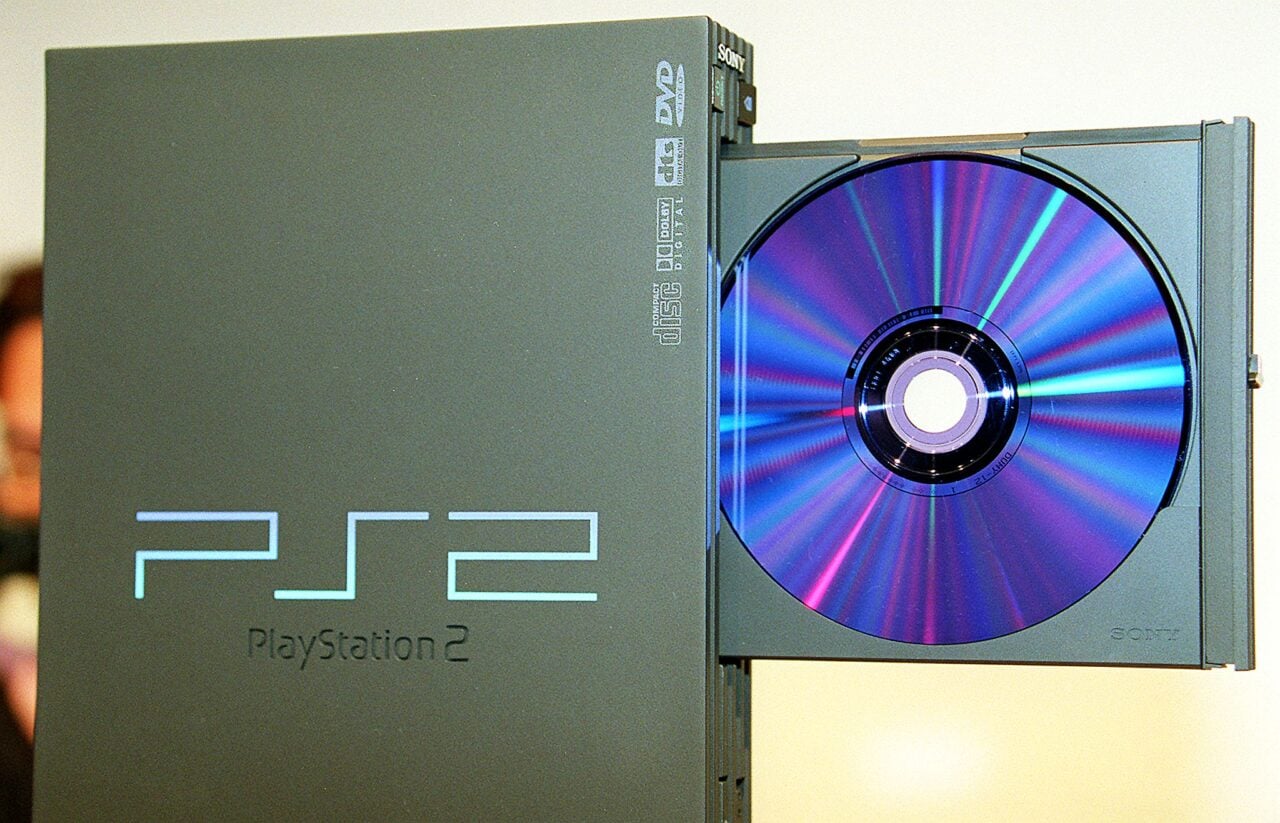
Sony's decision to release a PS5 model without a disc drive has ignited backlash across social media, with gamers expressing frustration through memes, petitions, and direct criticism of the company's move toward all-digital distribution.
The announcement of an all-digital PS5 variant signals Sony's commitment to steering players toward download-only purchases. This shift eliminates the option to buy physical games, trade used titles, or lend games to friends. Players who invested in disc-based libraries now face uncertainty about the longevity of their physical collections on future hardware.
The reaction reflects broader anxiety about digital ownership. Unlike disc ownership, digital licenses remain tied to accounts and company terms of service. If Sony closes a digital storefront or restricts account access, players lose access to purchased games. This reality drives the backlash, particularly among collectors and players in regions with unreliable internet infrastructure.
Petitions have circulated demanding Sony reconsider the decision or offer backward compatibility guarantees for physical media. Memes flooded social platforms mocking the move, with users joking about the industry's shift away from consumer choice. The trolling reflects genuine frustration masked in humor.
The timing matters. Microsoft maintains disc drives on Xbox Series X, giving players the choice between digital and physical. Nintendo continues strong physical sales through retailers. Sony's aggressive push toward digital-only contradicts player preference for options and raises questions about consumer freedoms in an era of digital gatekeeping.
Industry observers note this represents a philosophical shift. Publishers benefit from all-digital markets since resale and secondhand markets disappear. For players, especially those with data caps or slow connections, the disc drive remains essential infrastructure.
Sony hasn't reversed course, but the volume of pushback indicates the company underestimated player attachment to physical media and ownership rights. The controversy exposes a fundamental divide between publisher interests and player autonom