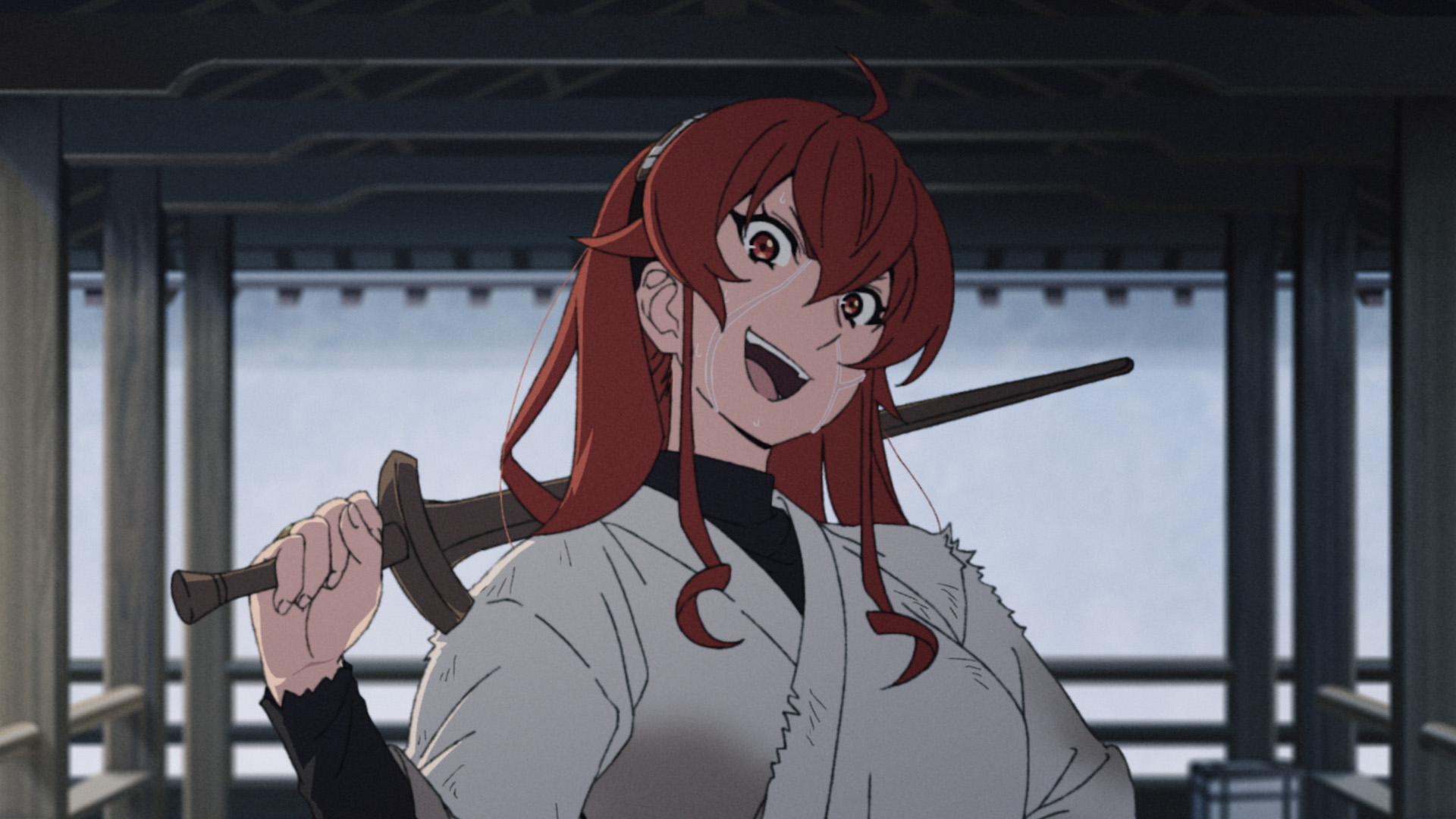
Mushuko Tensei's third season arrives July 5 on Crunchyroll, and the anime adaptation signals a major tonal shift toward darker, more emotionally punishing storytelling. The series, based on Jobless Reincarnation, has built its reputation on blending isekai tropes with genuine character development and interpersonal complexity. Season 3 intensifies that formula by diving into material that explores the consequences of the protagonist's actions and the fragility of his relationships.
The previous two seasons established Rudeus Greyrat's journey from a hikikomori shut-in to a capable mage navigating a fantasy world with unexpected depth. Season 3 strips away much of the comfort and wins that defined earlier arcs. Production I.G. maintains the visual quality fans expect, but narrative focus shifts toward existential stakes and moral reckoning rather than adventure and growth.
This pivot reflects how the source material handles its later chapters. Mushuko Tensei never treated its protagonist as infallible, but season 3 fully commits to showing how his immaturity, selfishness, and past trauma create genuine harm. Relationships fracture under pressure. Betrayals sting. Deaths carry weight.
Crunchyroll's continued investment in the series underscores anime's evolving market. Isekai remains commercially viable, but audiences increasingly demand substance beyond power fantasy wish fulfillment. Mushuko Tensei capitalizes on that appetite by refusing easy resolutions and comfortable narrative beats. The show respects viewer intelligence without sacrificing entertainment value.
Expectations run high among the existing fanbase. The manga readership has primed audiences for emotional devastation. Anime-only viewers may face genuine shock at how ruthlessly the series subverts expectations. Season 3 doesn't promise redemption arcs or triumphant come