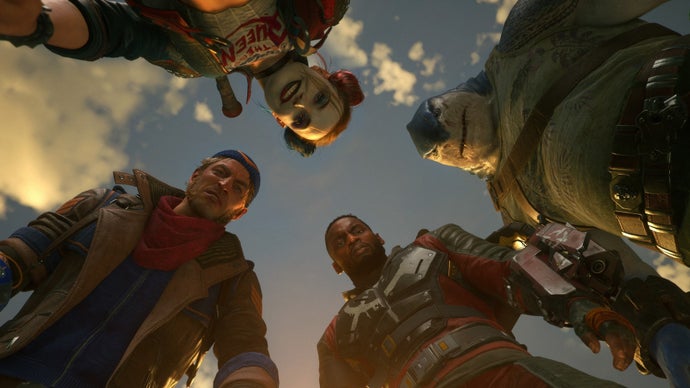
Rocksteady Studios' Suicide Squad: Kill the Justice League devastated its co-director Axel Rydby so thoroughly that he nearly quit the games industry altogether. In a new interview, Rydby described feeling like he was "coming apart at the seams" during the live-service shooter's catastrophic launch and subsequent failure.
The 2024 game became one of the industry's most visible disasters. Rocksteady's attempt to pivot Batman: Arkham's beloved single-player formula into a multiplayer live-service title alienated fans immediately. The game launched with aggressive monetization, repetitive missions, and gameplay that stripped away the detective work and narrative depth that made the Arkham series legendary. Players abandoned it in droves.
For Rydby and associate design director Johnny Armstrong, the public failure and behind-the-scenes struggles nearly broke them professionally. The studio's attempts to salvage the game through updates proved futile because the core design philosophy itself was flawed. Rather than address fundamental gameplay issues, updates merely tinkered around the edges of a fundamentally broken concept.
The experience triggered serious doubts about continuing in game development. Rydby's near-exit reflects a broader pattern where high-profile failures take severe mental tolls on creative leads. The pressure of managing a massive studio, defending poor design decisions to an angry playerbase, and watching a beloved franchise get gutted by corporate demands to chase live-service trends created an unsustainable environment.
Suicide Squad's failure stands as a cautionary tale about forcing established IP into trending monetization models without respecting what made those properties work. Warner Bros. and Rocksteady prioritized multiplayer engagement metrics over the single-player, story-driven experiences that defined the Arkham legacy. The game ultimately lost millions and damaged both the studio's reputation and its developers' faith in the industry