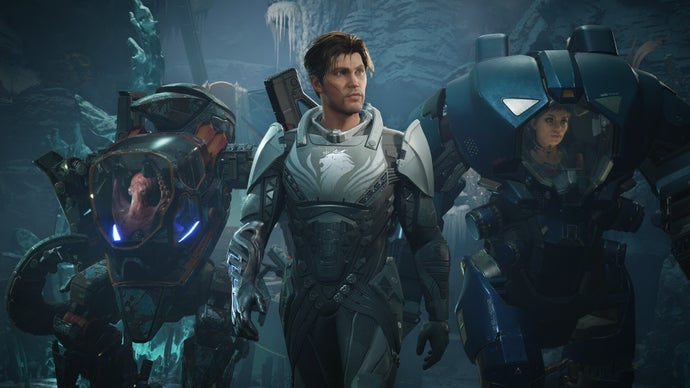
Archetype Entertainment is restricting character customization in its upcoming sci-fi RPG Exodus to preserve the protagonist's "established look." Rather than offering granular slider-based facial editing, the developer has locked down core facial features like nose shape and eyebrow positioning for protagonist Jun Aslan. Players retain some customization options, notably beard selection, but cannot drastically alter the character's foundational appearance through detailed adjustments.
This design choice differs sharply from games like Mass Effect, which Exodus draws inspiration from. BioWare's franchise enabled players to completely redesign protagonists through extensive slider systems. Archetype's decision suggests the studio prioritizes narrative continuity and character identity over total player agency in appearance.
The rationale likely stems from Exodus' story-driven design. Jun Aslan functions as an established character within the game's narrative, not a blank slate. Locking facial structure preserves the character as players encounter him through cutscenes, dialogue, and story progression. This approach maintains consistent character identity across cinematics and gameplay without requiring developers to regenerate animations or dialogue reactions for wildly different face configurations.
However, the restriction signals a philosophical shift in modern RPG design. Some players view comprehensive character creators as essential to role-playing experiences, while others accept limitations when tied to narrative cohesion. Exodus appears to fall into the latter camp, prioritizing story over customization breadth.
The beard option reveals developers still offer cosmetic flexibility within constraints. This hybrid approach allows personal expression without compromising the character's core identity. It mirrors recent trends where narrative-focused RPGs balance player agency with authored protagonist personalities.
Exodus launches in 2027 across unspecified platforms. The character creator limitations will likely prove divisive among players accustomed to unlimited customization, but may resonate with those preferring defined protagonists with actual narrative presence.