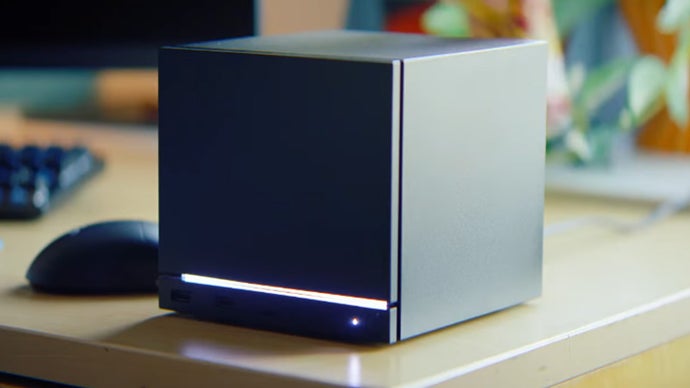
Shuhei Yoshida, the veteran PlayStation executive who led Worldwide Studios and later championed indie games at Sony, has tested Valve's new Steam Machine hardware and delivered a scathing assessment. The former industry figure expressed deep disappointment with the device, questioning whether it represents a step backward rather than forward in console gaming.
Yoshida's critique carries weight given his decades of experience shaping PlayStation's ecosystem and his understanding of what drives console adoption. His comment, "Am I going back to PS4 days?" suggests the Steam Machine fails to deliver meaningful performance improvements or gaming experiences that justify its positioning as a next-generation device. For someone who helped define modern console standards, the hardware apparently feels antiquated or underpowered by comparison.
This verdict matters because Yoshida remains influential in gaming circles. His perspective shapes industry conversation, and his dismissal of Steam Machine signals potential problems for Valve's hardware ambitions. The console space has grown increasingly competitive, with PlayStation 5, Xbox Series X/S, and Nintendo Switch establishing clear performance tiers and use cases. A new entrant must offer something compelling to justify purchase decisions.
Steam Machine sits in an awkward position. It targets PC gamers seeking living room convenience while competing with dedicated consoles that offer polish, exclusive software, and optimized performance. Yoshida's feedback suggests it succeeds at neither proposition convincingly enough. The hardware may struggle to attract players who already own PS5s, Xbox Series X machines, or gaming PCs, while offering little incentive for casual gamers to switch ecosystems.
Valve has historically succeeded through software and service rather than hardware excellence. The original Steam Controller taught that lesson. Without killer exclusives, performance advantages, or a compelling ecosystem angle, Steam Machine risks becoming another forgotten hardware experiment. Yoshida's blunt disappointment reflects what consumers likely already sense: the device occupies a murky middle ground