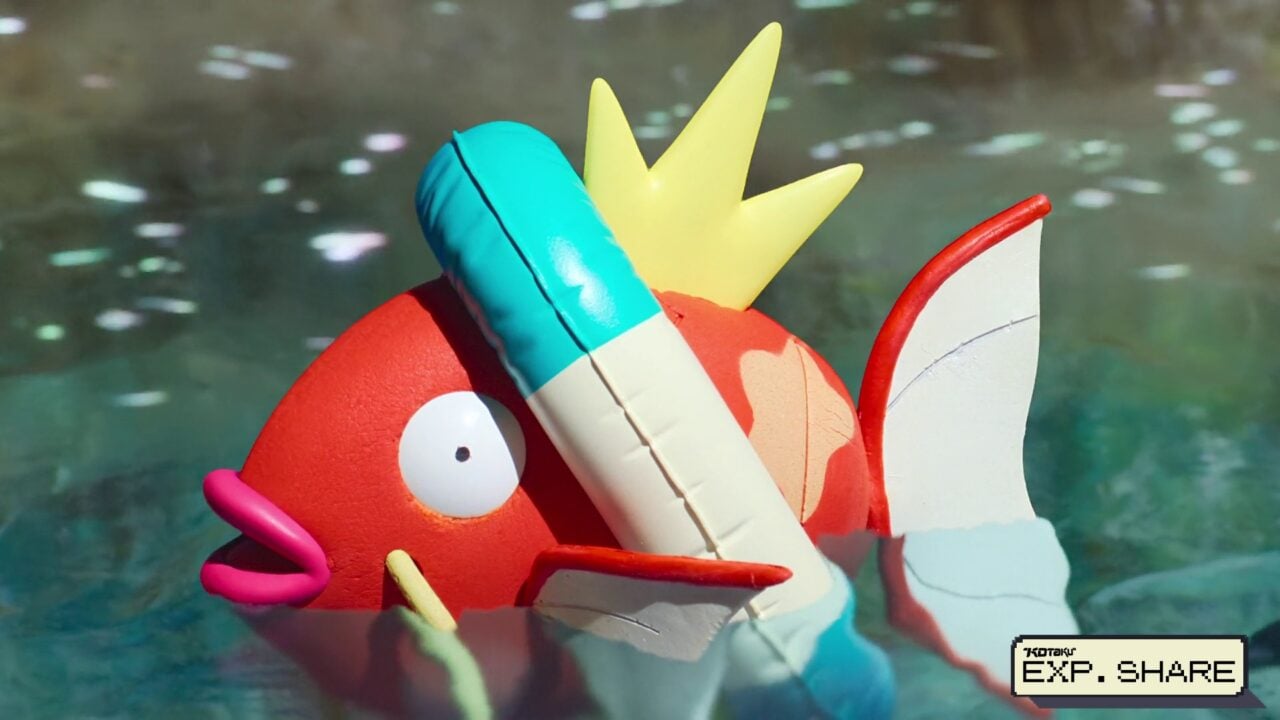
Pokémon players embrace the franchise's weakest designs with genuine affection, revealing why competitive viability matters far less than charm and personality to most fans.
The Pokémon community has long celebrated creatures that battle poorly but win hearts through character. A player quoted in the piece expressed love for a mechanically weak Pokémon, noting "there's room for him alongside the actual god of creation." This sentiment runs deep across the fanbase.
Game Freak deliberately includes Pokémon with intentionally bad stats and movesets. These designs serve narrative purposes, fulfill type variety, or simply appeal to players who value aesthetics over tournament performance. Magikarp, Feebas, and Wobbuffet became franchise icons despite being trainers' nightmares in competitive play.
This dynamic shapes how players engage with Pokémon games. Rather than building teams exclusively around tier-one threats like Dialga or Arceus, casual players construct rosters featuring personal favorites. A beloved mediocre Pokémon becomes viable through loyalty and creative strategy. The emotional connection overrides raw power calculations.
The franchise's massive roster, spanning over 1,000 designs, ensures every player finds multiple Pokémon worth using regardless of competitive rankings. Generation after generation, players dedicate themselves to underdog creatures, pushing them through campaigns and online battles. Nuzlocke challenges, self-imposed ruleset runs, and other fan formats explicitly highlight weak Pokémon as legitimate choices.
Game Freak understands this psychology. Recent games like Pokémon Sword and Shield removed competitive balance pressure by allowing players to raise any Pokémon's stats through Dynamax and held items. Scarlet and Violet expanded accessibility further, letting lower-level teams challenge endgame content through type matchups and tactical thinking rather than raw numbers.
The franchise's design