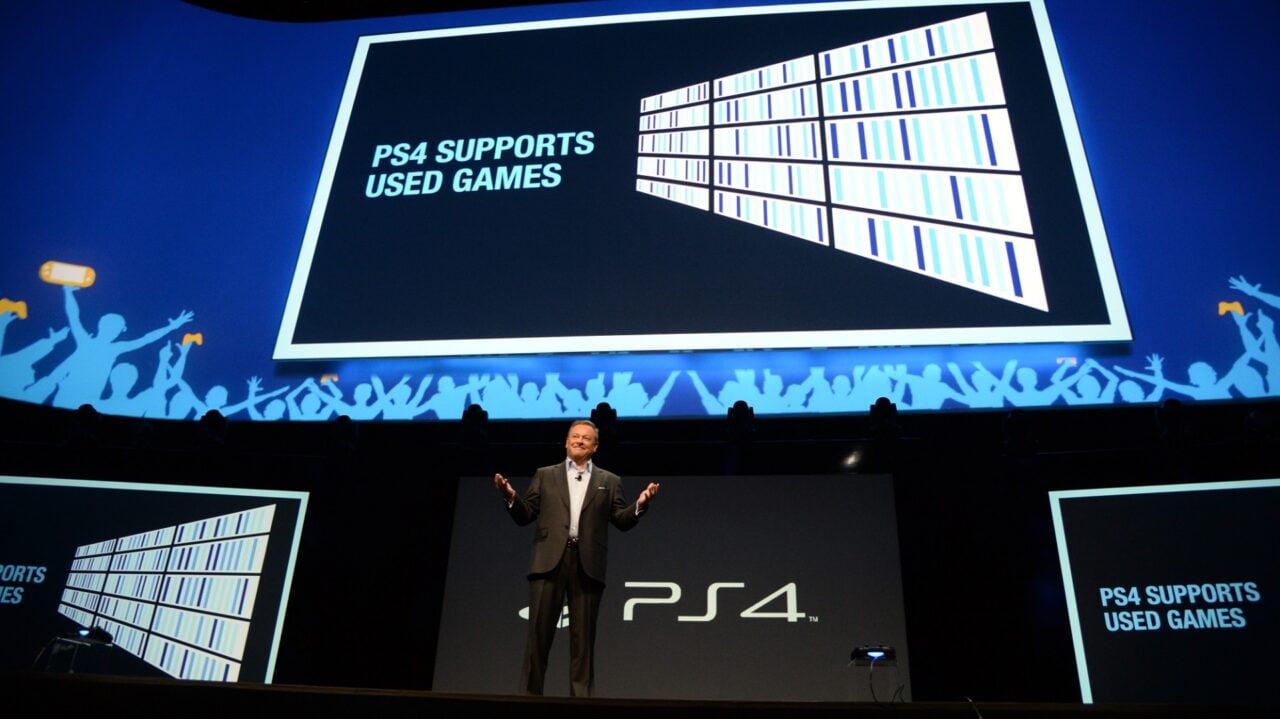
Sony's 2013 E3 press conference, where Jack Tretton declared PlayStation 4's support for physical games and player ownership, has become a retrospective statement on industry direction. The company positioned itself against Microsoft's controversial digital-only Xbox One announcement weeks prior, emphasizing that PS4 players could buy, sell, and trade used games without restriction.
That messaging resonates differently now. Over a decade later, Sony has systematically reduced physical game availability. The company discontinued PS4 disc production, removed physical games from PlayStation Store, and pushed players toward digital subscriptions and cloud gaming. The PS5 exists in both disc and digital editions, but physical titles face shrinking shelf space at retailers. A 2024 industry report showed digital sales now exceed physical in most major markets.
Tretton's 2013 promise that players owned their games and controlled their libraries appears quaint against current industry practices. Sony has implemented licensing restrictions, delisted games from digital storefronts, and made multiplayer dependent on PlayStation Plus subscriptions. The company's pivot toward game-as-service titles and subscription models contradicts the ownership-focused rhetoric from that conference.
The irony extends to preservations concerns. Players cannot legally download delisted titles, creating digital scarcity that physical media once prevented. Games like PT and various licensed titles vanish from stores permanently. Meanwhile, used disc markets have become niche, with younger players abandoning physical entirely.
Sony's 2013 conference remains important marketing history. The messaging that defeated Xbox One's original vision became a strategic pivot point for the entire industry. However, the company did not defend that vision long-term. Instead, Sony adopted the very digital-first, subscription-based model that E3 2013 rejected.
Gaming historians point to this shift as evidence that corporate promises shift with market conditions. Ownership rhetoric served competitive advantage in 2013