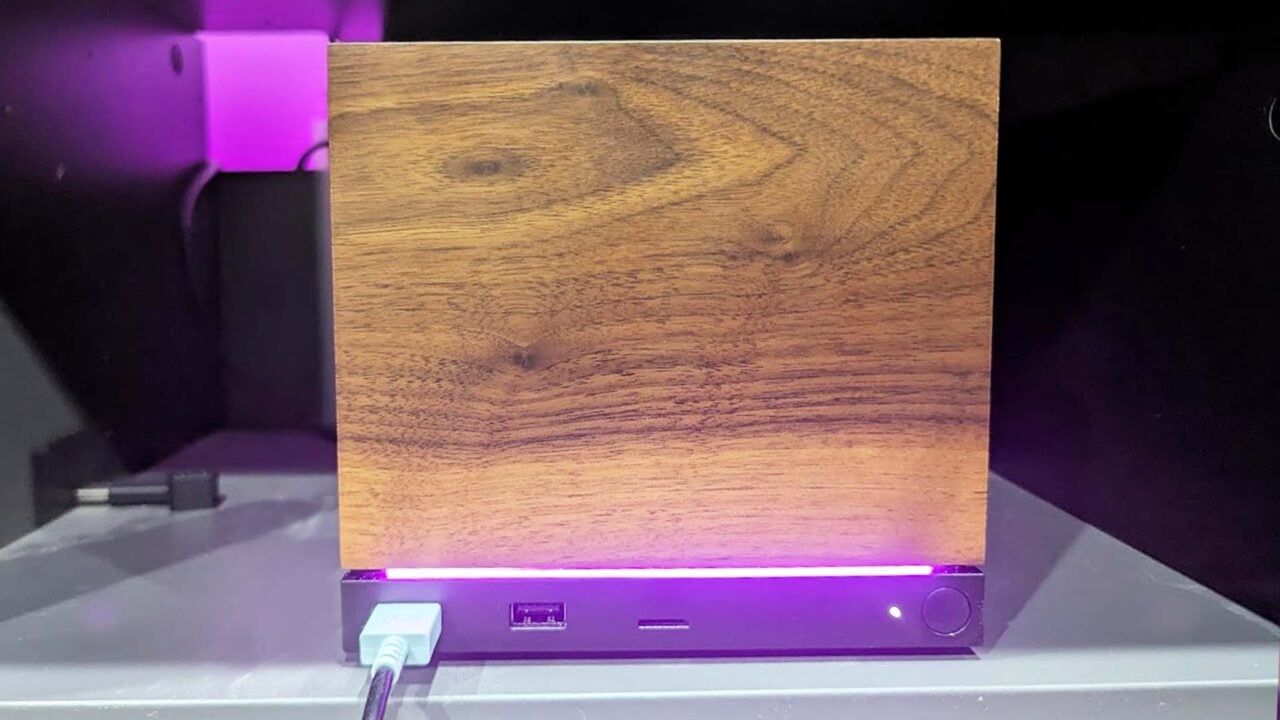
Valve's Steam Machine stands out as a genuinely distinctive gaming device in a console market dominated by iterative hardware. While PlayStation 5 and Xbox Series X pursue raw processing power with nearly identical designs, Steam Machines embrace unconventional aesthetics and form factors that prioritize personality over conformity.
The Steam Machine line includes multiple hardware configurations from different manufacturers running SteamOS, Valve's Linux-based operating system. This open ecosystem approach contrasts sharply with Sony and Microsoft's locked-down console models. Manufacturers like Alienware and Corsair have released their own Steam Machine variants, each with distinct industrial designs that feel experimental rather than corporate-safe.
The appeal lies in what makes Steam Machines weird. Compact builds target living room gaming without requiring dedicated hardware shelf space. Customizable internals let buyers choose processing power appropriate to their needs rather than accepting the one-size-fits-all approach of traditional consoles. The touchpad-centric controller pioneered unconventional input methods before becoming industry standard.
However, Steam Machines haven't achieved mainstream adoption. The Linux environment limited third-party publisher support initially, though Proton compatibility layers have since narrowed that gap significantly. Gaming journalists initially dismissed the platform as fragmented and confusing compared to standardized console offerings.
The Steam Deck's 2022 launch vindicated Valve's Linux gaming vision while siphoning attention from traditional Steam Machines. The handheld's portable form factor and accessible price point appeal to audiences the desktop Steam Machine struggled to reach.
Today, Steam Machines remain niche products favored by PC enthusiasts willing to tolerate software quirks for hardware flexibility. They occupy the same experimental space indie developers and indie publishers inhabit. In an industry where Microsoft and Sony design by committee, Steam Machines feel like genuine creative expression. That won't drive mass-market sales, but it preserves space