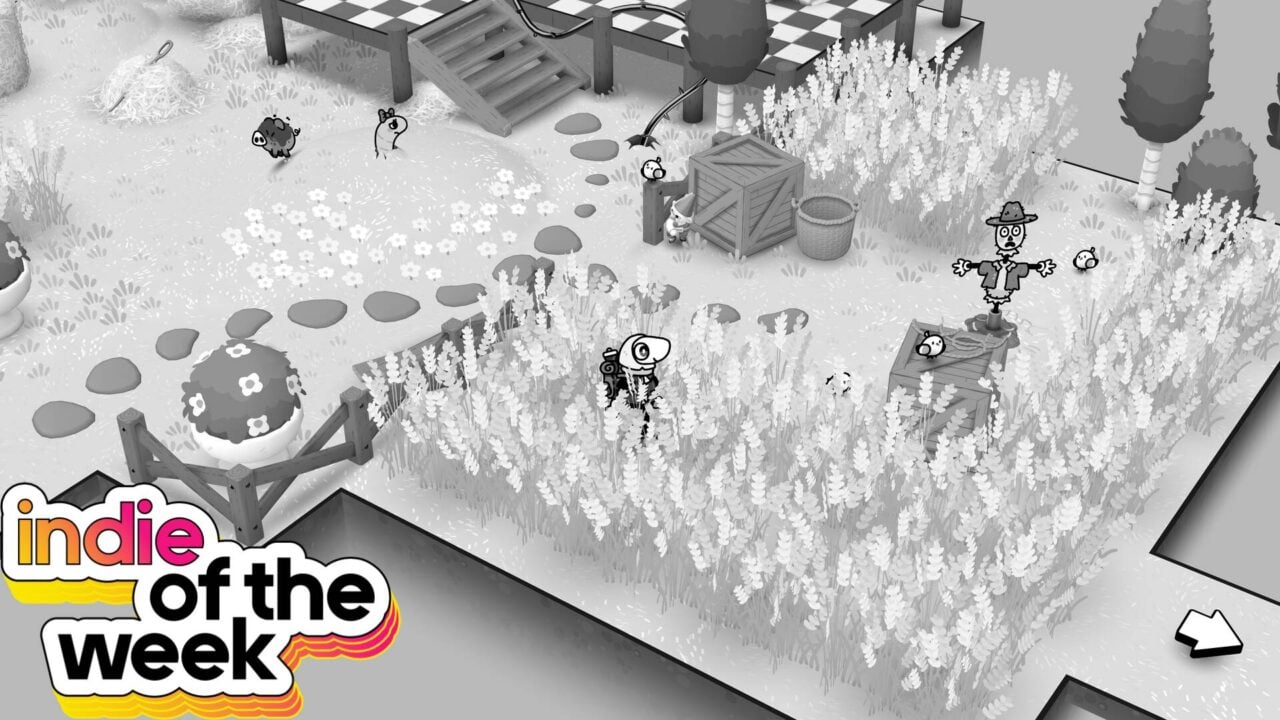
TOEM, the indie photography adventure from Something We Made, captures the magic of low-pressure exploration that modern games often overlook. The title tasks players with traveling across a charming black-and-white world, armed with nothing but a camera and a list of photo requests from quirky NPCs.
The game's appeal lies in its complete absence of urgency. There are no timers, no fail states, no consequences for missing assignments. Players can photograph singing fish, sleeping cats, or abstract scenery whenever they choose. The relaxed pacing lets exploration drive the experience rather than objectives.
Something We Made designed TOEM to celebrate observation. Every location hides details that reward curiosity. A simple village expands when you notice hidden paths. NPCs reveal character through their reactions to your photos. The camera becomes a tool for engaging with the world rather than documenting it.
The black-and-white aesthetic strips away visual noise, forcing focus on composition and framing. This artistic choice reinforces the photography theme while keeping the technical scope manageable for an indie team. The art style feels intentional, not limiting.
TOEM releases on Nintendo Switch and PC platforms, making it accessible to both handheld and desktop players. The game targets audiences fatigued by narrative-heavy, achievement-focused experiences. Players seeking meditative gameplay find genuine value here.
The indie market has grown crowded with lo-fi adventure games, yet TOEM distinguishes itself through mechanical restraint. By refusing to demand urgency, the game trusts players to find their own rhythm. This confidence in player agency feels rare in an industry that typically weaponizes progression systems.
The title represents a broader shift in indie development toward experiential games over traditional narratives. Success here signals that audiences want space to breathe, explore, and exist within virtual worlds without constant pressure to achieve.