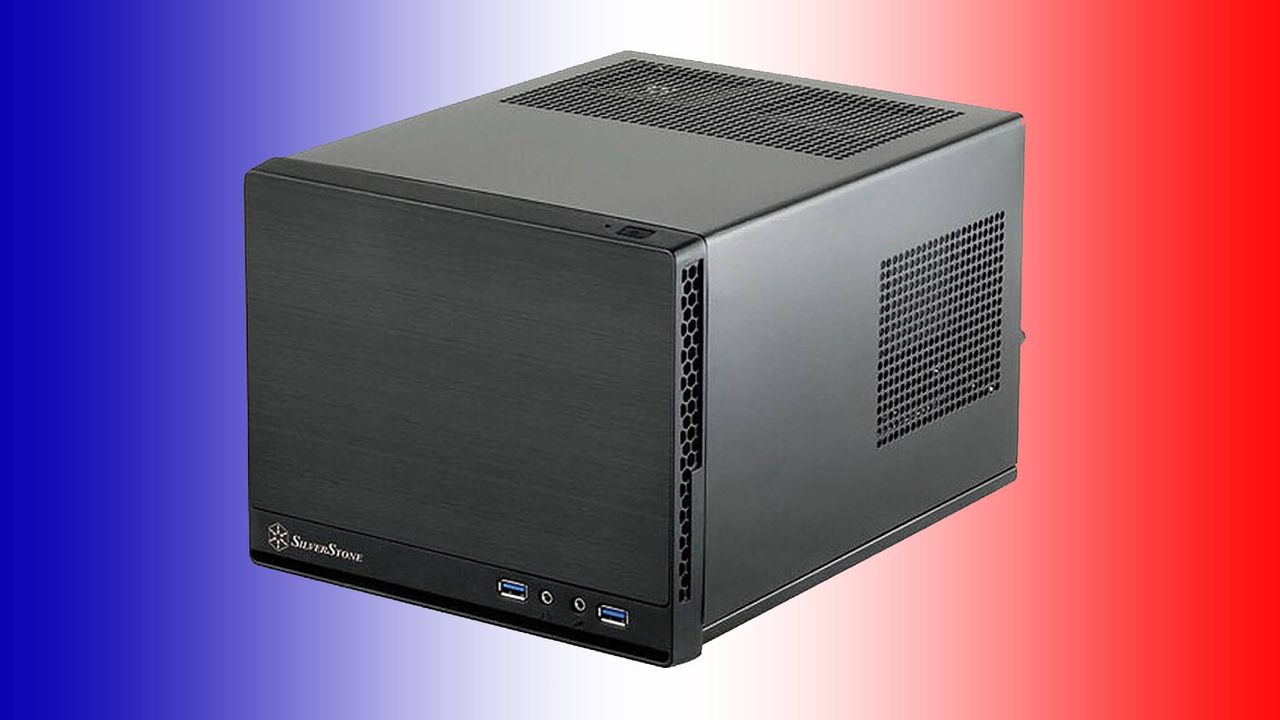
A French retailer briefly listed a Steam Machine competitor called the "Stim Machine," built from standard PC components and priced under 1,000 euros. The listing has since been removed, but the product signals renewed interest in affordable living room gaming PCs.
The Stim Machine undercuts Valve's original Steam Machine initiative, which launched in 2015 with partners like Alienware and Corsair but failed to gain traction. Those systems ranged from 500 to over 2,000 dollars and relied on SteamOS, a Linux-based operating system that struggled with game compatibility and driver support. The market rejected the concept. Gamers preferred standard Windows machines or dedicated consoles.
This French retailer's approach uses conventional PC components instead of proprietary hardware, making the Stim Machine more flexible and easier to repair. The sub-1,000-euro price targets budget-conscious gamers seeking a better alternative to budget consoles while avoiding flagship gaming PC costs.
The brief listing suggests the retailer tested market interest without committing to full production. The removal likely indicates either insufficient pre-orders or inventory concerns. Still, the existence of such a product reflects shifting dynamics in PC gaming hardware.
Living room gaming PCs have gained legitimacy since Steam's Machine era. Modern titles run smoothly on modest hardware. Services like Game Pass boost demand for accessible gaming platforms. Small form factor PCs have become more common. ASUS, MSI, and other manufacturers now openly market compact systems for living rooms.
A successful sub-1,000-euro gaming PC needs strong specifications, quiet cooling, and compact dimensions. Windows compatibility is non-negotiable. The Stim Machine's disappearance doesn't kill the category. It signals that someone believes the market exists. If the retailer refines the concept and launches officially, it could gain traction among console gamers