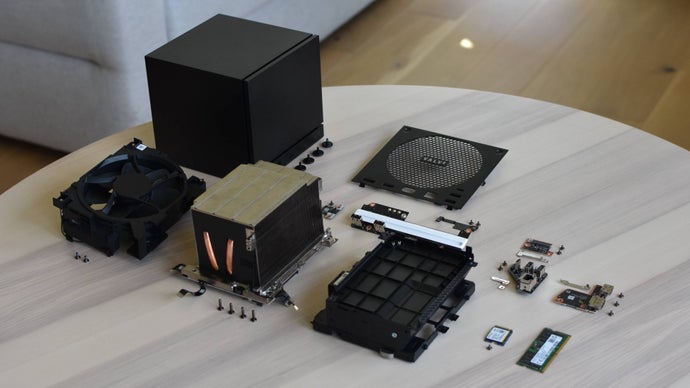
A teardown of Valve's Steam Machine reveals an intentionally complex internal layout designed to protect the system's RAM from user access. The hardware journalist who disassembled the device found that reaching the memory required removing numerous other components in a nested, Russian Doll-like fashion. Each component removal necessitated another, turning what was meant to be a simple inspection into a full teardown that left the machine's internals scattered across a workbench.
The layered design suggests Valve deliberately made the RAM difficult to access, likely to discourage user upgrades or modifications. This approach prioritizes component protection over user serviceability, a philosophy that contrasts with traditional PC building culture where upgrading RAM remains one of the easiest and most common maintenance tasks.
The Steam Machine, Valve's Linux-based gaming PC that launched in 2015, never achieved mainstream adoption despite the company's ambitions to bring PC gaming into living rooms with a closed-box console-like experience. The hardware's limited success makes the teardown more of a historical curiosity than a practical concern for active users. However, the design philosophy it reveals speaks to Valve's approach: controlling the hardware environment entirely rather than allowing owners to tinker with internal components.
The nested component architecture also raises repair and longevity concerns. Extended device lifespan typically depends on the ability to replace worn parts like RAM or storage. By making these upgrades impractical, Valve essentially locked users into the original configuration, a limitation that likely contributed to the platform's limited appeal among enthusiasts who valued flexibility.
Today, the Steam Deck dominates Valve's handheld gaming efforts, and that device takes a more open approach to repairs and component access. The company learned from the Steam Machine's shortcomings, allowing users to replace the storage drive and other components with relative ease. The Steam Machine's deliberately obfuscated internals serve as a reminder