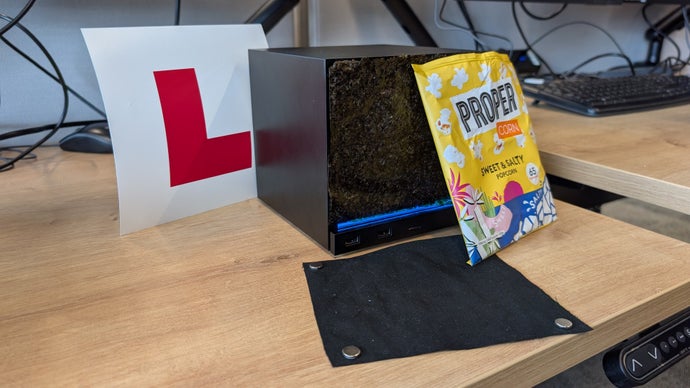
A Steam Machine owner has created custom handmade faceplates to personalize Valve's living room PC without the hassle of internal upgrades. The front faceplate swap offers an easy visual customization option compared to the difficulty of modifying internals or adjusting the default blue lighting strip.
Steam Machine owners seeking personalization have limited options. Internal upgrades require extensive disassembly. The built-in lighting remains blue and fixed. The faceplate becomes the logical target for customization, and this creator has recognized that gap in the market.
Custom faceplates represent a low-barrier entry into Steam Machine modding culture. Unlike hardware modifications that demand technical expertise, swapping a faceplate takes minutes. The handmade approach appeals to players wanting unique aesthetics without mass-produced uniformity.
Steam Machines launched in 2015 as Valve's push into console gaming on Linux. The black cube design generated strong opinions. While some praised the minimalist aesthetic, others wanted personalization options. Official Valve accessories remained sparse, leaving room for community-driven solutions.
This faceplate project fills a genuine niche. The Steam Machine never achieved mainstream adoption, but its dedicated user base values the platform's customization potential and SteamOS integration. Custom faceplates keep the device relevant for players still using them as living room hubs.
Handmade solutions like these underscore how PC gaming communities thrive on personalization. Modular designs enable creative expression. As proprietary hardware dominates consoles, Steam Machine's openness continues attracting tinkerers willing to customize their gear.
The faceplate project won't revive Steam Machine sales. Valve has largely abandoned the hardware line. But for existing owners, affordable customization extends the device's lifespan and appeal. Community-driven modifications prove that even niche hardware can sustain creative ecosystems long after corporate