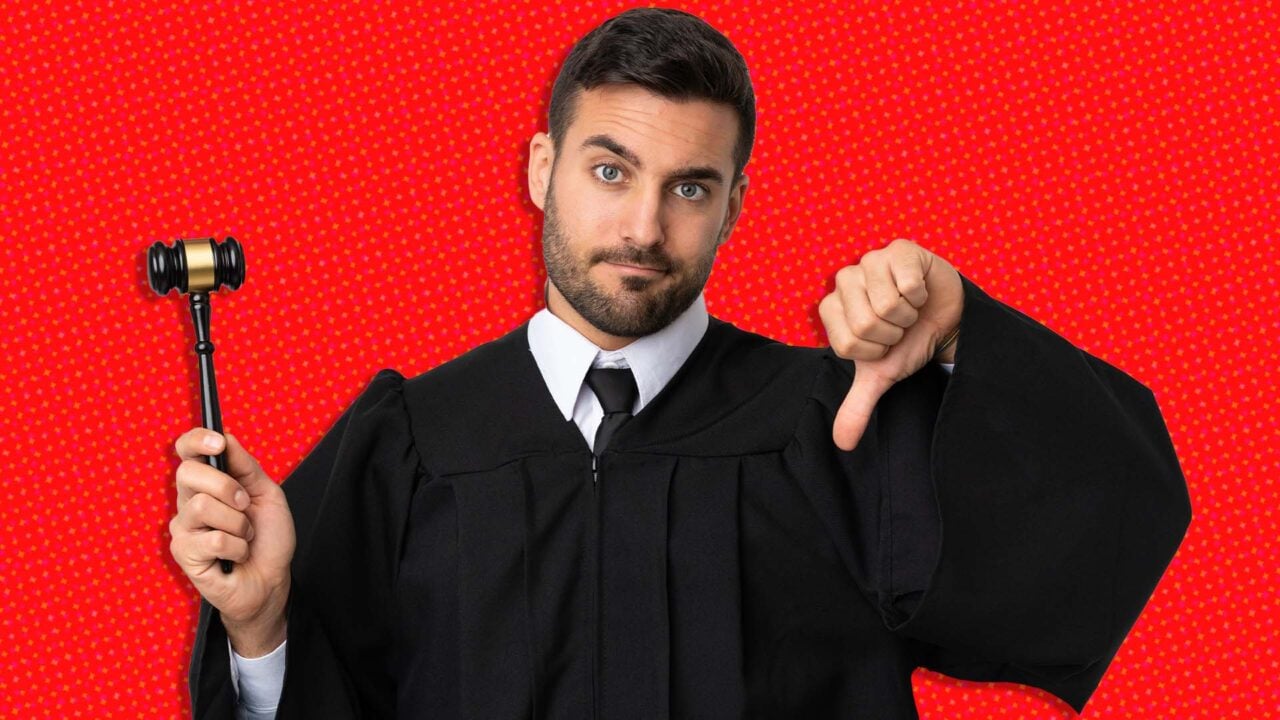
A TikToker's attempt to unmask an anonymous online critic just hit a legal wall. A judge rejected the creator's effort to force the disclosure of a hater's identity, protecting the commenter's anonymity rights in the process.
The case underscores the ongoing tension between content creators seeking recourse against online harassment and the legal protections that shield anonymous speech. Courts have consistently sided with anonymity in similar disputes, particularly when the comments don't constitute clear defamation or direct threats. The ruling reflects established precedent that anonymity online deserves protection, even when creators face harsh criticism.
This decision arrives as social media personalities increasingly pursue legal action against detractors. Many creators view doxxing or identity revelation as legitimate self-defense against coordinated harassment campaigns. However, judges typically reject these requests unless the accused comments cross into actionable territory like targeted threats or false statements causing measurable harm.
The TikToker's failed attempt reveals the practical limits of accountability on platforms like TikTok, Reddit, and Twitter, where anonymous accounts generate the bulk of harsh commentary. Platforms themselves rarely cooperate with identity requests without court orders, and even court orders don't guarantee cooperation from international servers or encrypted platforms.
For creators dealing with harassment, the ruling suggests pursuing alternative remedies. Platforms offer blocking, reporting, and shadow-banning tools. Direct legal action for defamation requires proving false statements caused actual damages. Copyright and trademark claims work for stolen content. But merely offensive or mean comments remain largely untouchable legally.
The case reinforces a principle courts have upheld for decades. Anonymous speech carries legal weight, even in the digital age. Content creators operate in public spaces where criticism, however unfair, often falls within protected expression. The judge's decision protects not just this one commenter, but the broader ecosystem of anonymous online discourse that allows whistleblowers, activists, and critics to speak