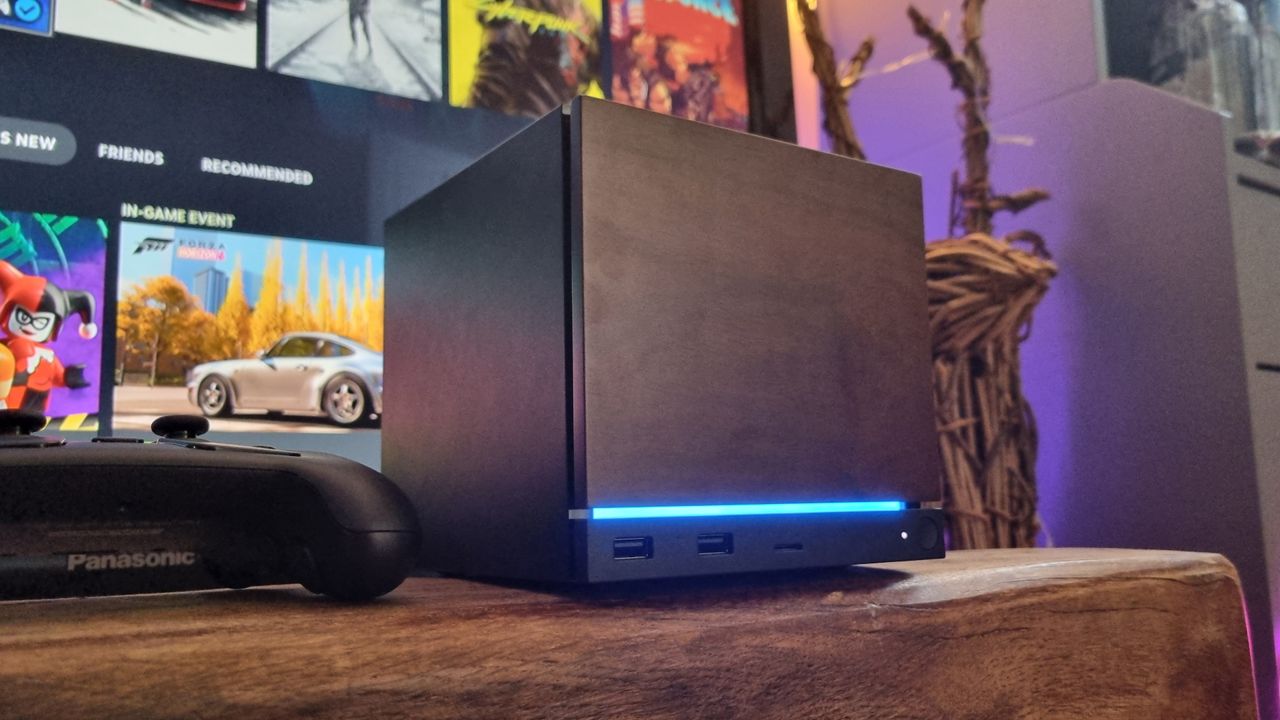
Valve rolled out a new SteamOS beta update that delivers performance improvements specifically targeting GPUs with constrained VRAM allocations. The update addresses a long-standing pain point for Steam Deck users and handheld PC gamers running the operating system on hardware with memory bottlenecks.
The optimization focuses on discrete graphics processors rather than integrated graphics solutions. Devices equipped with dedicated GPUs featuring limited video RAM will see tangible frame rate improvements and smoother gameplay across various titles. Users running integrated graphics processors, however, won't benefit from this particular patch, since iGPUs typically handle memory constraints differently through system RAM access.
This update arrives as Valve continues refining SteamOS for the Steam Deck and third-party handheld devices like the ROG Ally and Legion Go. The company maintains an aggressive beta cycle, regularly pushing performance tweaks designed to maximize gaming efficiency on resource-constrained mobile hardware. SteamOS has become increasingly important for Valve's ecosystem push beyond traditional desktop gaming.
The VRAM optimization represents the kind of granular tuning that separates capable handhelds from frustrating experiences. Developers have complained about vRAM limitations forcing compromises in texture quality and draw distance. This beta fix handles GPU memory more efficiently, reducing redundant allocations and streamlining how the system manages texture streaming.
Beta testers should enable the update through SteamOS settings to access the improvements. Valve typically rolls these changes into stable releases after a testing period, so mainstream users can expect the performance gains within weeks. The company hasn't disclosed specific performance metrics yet, but early community testing should reveal concrete FPS increases across popular titles.
For Steam Deck owners with the base 256GB model and those running other AMD-based handhelds, this update matters. The improvements could extend battery life on gaming sessions and enable higher visual settings without sacrificing performance