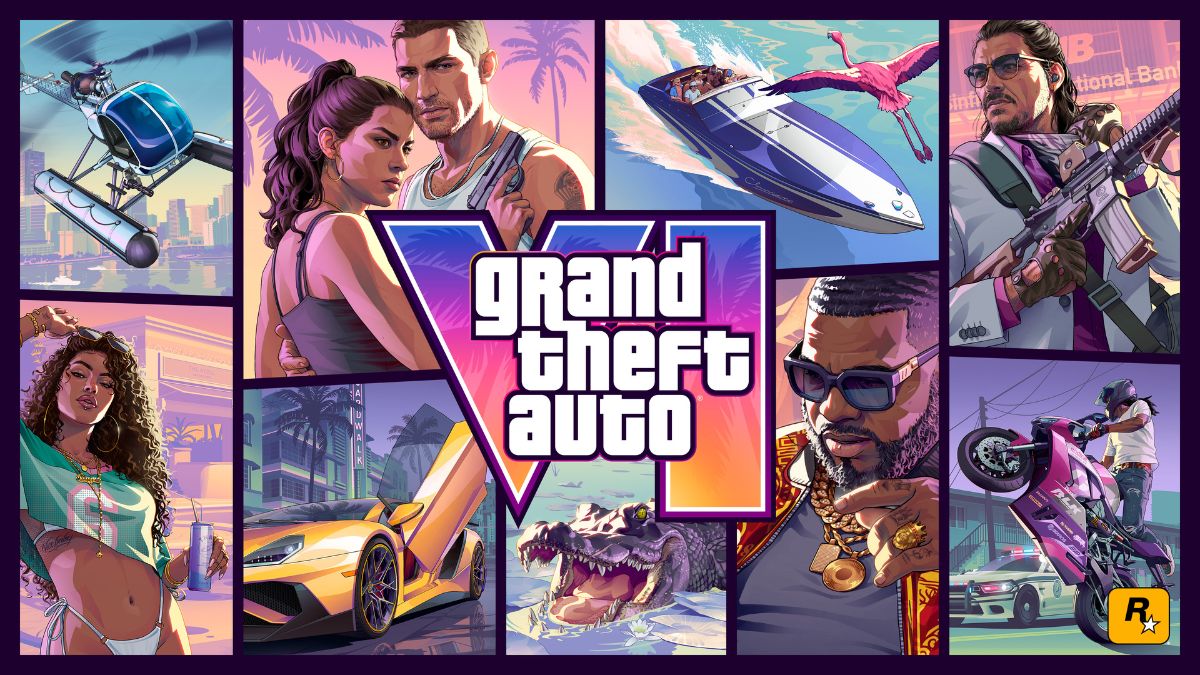
Rockstar Games priced Grand Theft Auto 6 at $79.99 for the standard edition on PlayStation 5 and Xbox Series X/S, matching the current console generation baseline. However, the actual cost of entry sits closer to $100 when accounting for the publisher's monetization structure and in-game economy design.
The $79.99 standard edition launches players into a game built around GTA Plus, Rockstar's subscription service that costs $5.99 monthly and unlocks exclusive rewards, discounts, and currency bonuses. Players who want the full experience without grinding for in-game cash face pressure to subscribe or spend on Shark Cards, Rockstar's microtransaction currency packs.
This pricing strategy reflects industry consolidation around $70 base prices for AAA titles on current consoles. Publishers justified the increase as necessary for development costs, yet Rockstar engineered GTA 6's economy to incentivize spending beyond the upfront purchase. The subscription model creates ongoing revenue while the base game's cost of acquisition appears reasonable on its surface.
Destructoid's take frames this as a betrayal. The outlet argues that Rockstar obscures the true entry price through layered monetization rather than transparent pricing. Players evaluating their spending see $79.99 but encounter design systems that encourage additional outlays. This contrasts with studios that commit to a single payment model without pushing subscriptions or cosmetic purchases as part of the core progression loop.
GTA 6 launches in Fall 2025 with significant hype, but this pricing approach signals Rockstar's commitment to live-service monetization alongside traditional game sales. The model works for the publisher's bottom line and Grand Theft Auto's track record suggests players will accept it. Yet the criticism highlights a growing tension between headline pricing and actual customer expenditure across premium gaming, where the advert