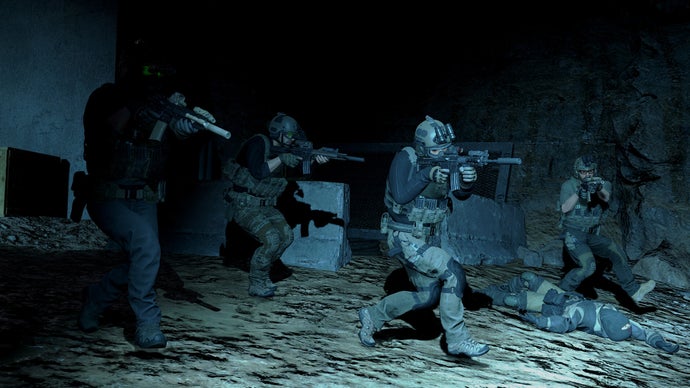
Ground Branch, the tactical first-person shooter from Voodoo Gun Club and led by an original Rainbow Six developer, exits early access and reaches v1.0 after eight years in development. The game launched on Kickstarter in 2012 and spent nearly a decade in Steam Early Access before hitting its full release milestone.
The shooter targets players seeking hardcore tactical gameplay in the vein of classic Rainbow Six titles. Ground Branch emphasizes deliberate gunplay, map knowledge, and squad coordination over the arcade mechanics that define modern military shooters. The game features destructible environments, realistic ballistics, and scenarios that reward planning and communication between teammates.
The extended early access period reflects the studio's commitment to community feedback and iterative design. Players have shaped Ground Branch's direction through years of testing, balancing, and feature refinement. The long development cycle is increasingly common for indie and smaller studios building niche titles without AAA budgets or publishing timelines.
Ground Branch arrives at an interesting moment for tactical shooters. Rainbow Six Siege continues to dominate the competitive space, while newer titles like Insurgency Sandstorm and Ready or Not have carved out dedicated audiences. Ground Branch positions itself as a spiritual successor to the original Rainbow Six games, prioritizing realism and methodical gameplay over the hero-shooter trends that dominate mainstream FPS design.
The v1.0 launch signals the game is content-complete and feature-stable, though post-release support and balance patches will likely continue. For players exhausted by battle royale saturation and hero-shooter mechanics, Ground Branch offers a return to fundamentals. Tactical shooters have proven they maintain passionate fanbases willing to invest thousands of hours mastering maps and gun control.
The milestone also reflects how early access has become a legitimate development model, enabling small teams to fund and refine projects that traditional publishers might reject as too niche.