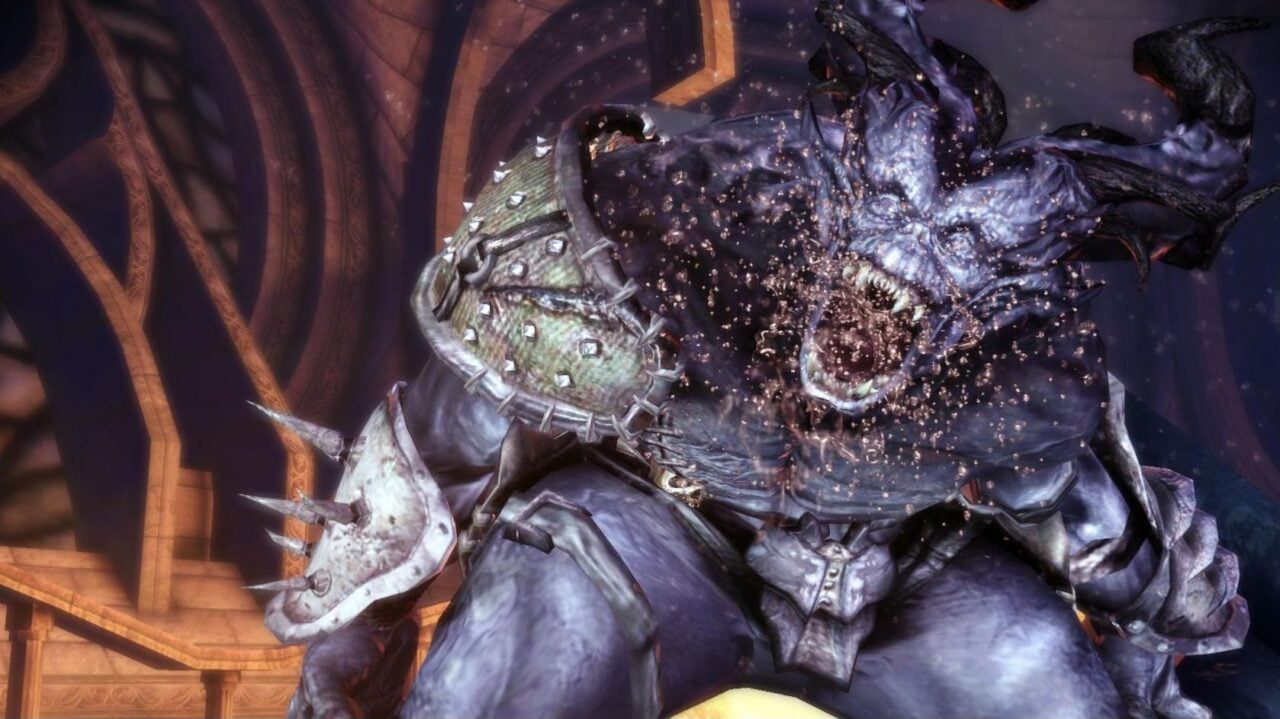
Dragon Age's lead writer has issued a stark condemnation of artificial intelligence in game development, calling it a "virulent plague" on the industry. The statement reflects growing anxiety among narrative designers and writers about AI's encroachment on creative roles traditionally held by human professionals.
The Dragon Age franchise, developed by BioWare, has built its reputation on dense storytelling and character-driven narratives. Lead writer David Gaider, who shaped the series' most acclaimed entries, voiced concerns that AI-generated content threatens the craft of writing and the livelihoods of writers across the industry. His comments align with broader resistance from the Writers Guild of America and other creative organizations that have raised alarms about generative AI being used to replace human labor.
The timing matters. AI adoption in game development accelerated throughout 2024 and 2025, with studios experimenting with the technology for everything from dialogue generation to quest design. Some publishers framed AI as a cost-cutting measure. Writers saw it as a threat to job security and creative integrity.
BioWare itself, now under EA's ownership, has faced scrutiny over its development practices. Dragon Age: The Veilguard launched in October 2024 to mixed reception, with some players criticizing narrative depth compared to earlier entries. Whether AI played any role in that development remains unclear, but Gaider's public stance suggests the studio's internal culture still values human-written storytelling.
The pushback from narrative leads carries weight because it comes from someone with proven track record. Gaider worked on Dragon Age: Origins, Dragon Age II, and Inquisition, all of which prioritized choice-driven narratives and companion relationships. His voice carries credibility among both fans and industry peers.
This controversy underscores a deeper industry divide. While some studios see AI as a tool for efficiency, writers and story-focused developers view it