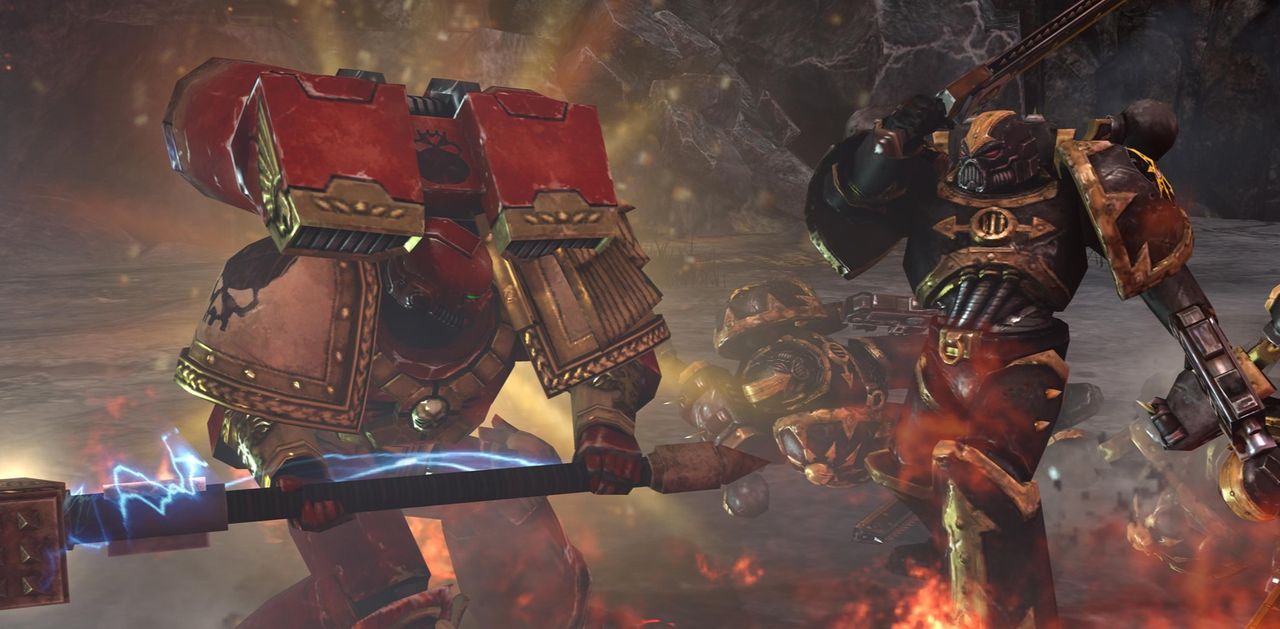
Dawn of War 2's The Last Stand mode remains a standout example of cooperative design, delivering a streamlined MOBA experience wrapped in Warhammer 40K's grim aesthetic. Released in 2009 as part of Relic Entertainment's real-time strategy sequel, the mode strips away traditional RTS complexity and focuses on three players defending against endless waves of enemies across procedurally varied maps.
The brilliance lies in its execution. Each player selects a commander from the Warhammer 40K universe, then progresses through a series of increasingly brutal encounters. Victory points determine advancement, and teamwork becomes mandatory as difficulty escalates. The mode blends tower defense mechanics with light MOBA elements, creating something that feels neither wholly one nor the other yet works better than most games that commit fully to either design.
What's remarkable is The Last Stand's longevity. Seventeen years after launch, players can still find matches without long queue times. The mode's accessibility attracts both hardcore RTS veterans and casual players seeking cooperative gameplay. Relic built something timeless by prioritizing fun over complexity, a lesson many modern live-service games ignore in pursuit of grinding mechanics and battle passes.
The Last Stand never spawned imitators despite its quality. Few studios attempted mixing co-op progression with RTS fundamentals. The mode existed in an awkward space between genres, which likely prevented broader recognition. Yet that uniqueness is precisely why it endures. Players seeking something genuinely different gravitate toward it consistently.
Today's cooperative gaming landscape remains fragmented. MOBAs demand competitive ranking systems. Traditional co-op shooters lean on extraction mechanics or roguelike progression. The Last Stand offered pure cooperative progression without predatory monetization or invasive live-service systems. That restraint aged better than most design philosophies.
Relic Entertainment moved on to other properties, and