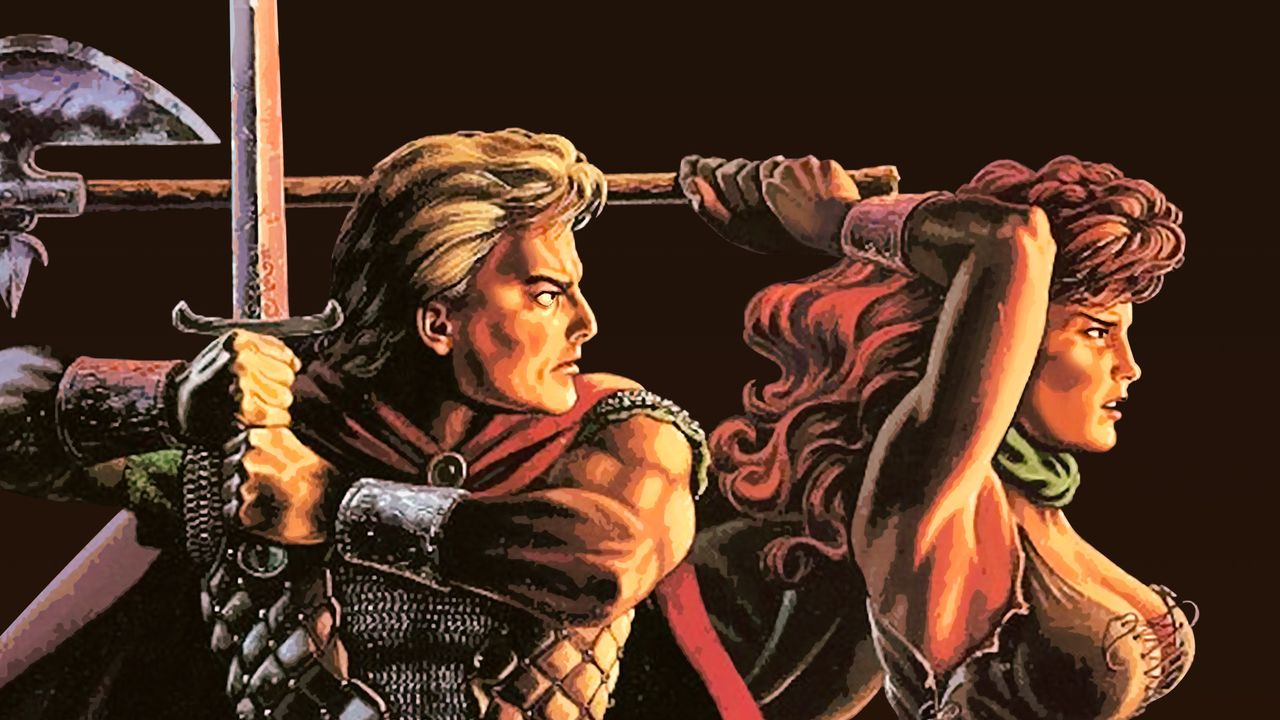
Josh Sawyer, director of Fallout: New Vegas, has expressed openness to creating a spiritual successor to a 1992 RPG if given substantial funding and the right development team. Sawyer's comment came with a conditional caveat: the project would only move forward if he genuinely enjoyed working with his collaborators.
The remark reflects Sawyer's approach to game development, where creative environment and team dynamics rank equally with budget considerations. New Vegas, released in 2010 by Obsidian Entertainment, remains a benchmark for isometric-style RPGs that prioritize player choice and branching narratives. That legacy has made Sawyer's potential return to the genre an attractive prospect for players craving deeper, more mechanically complex role-playing experiences.
The unnamed 1992 RPG likely references a foundational title from that era. Games like Fallout 1 and Planescape: Torment defined what "crunchy" RPG design meant: systems-heavy, dialogue-driven, stat-focused gameplay that demanded player engagement with mechanical depth rather than action-oriented spectacle.
Sawyer's openness signals broader industry interest in revivals of niche but beloved franchises. As studios increasingly explore spiritual successors rather than direct remakes, veteran designers like Sawyer occupy a unique position. They combine commercial viability with genre credibility. Publishers recognize that games built around player agency and complex systems still attract dedicated audiences willing to invest hundreds of hours.
His emphasis on team fit over pure budget reflects lessons learned across multiple projects. Bad team chemistry can derail even well-funded productions. Sawyer's willingness to articulate this preference publicly suggests future projects will prioritize culture and collaboration as primary factors, not afterthoughts.
Whether such a project materializes depends on publisher appetite and marketplace conditions. The indie sector has proven spiritual successors can th