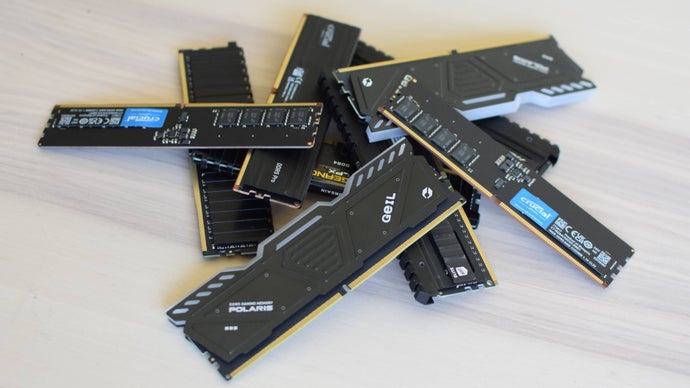
A US class action lawsuit alleges that Samsung, SK Hynix, and Micron coordinated a shift away from consumer RAM production toward high-bandwidth memory for AI datacenters, deliberately worsening the ongoing memory crisis for PC builders and everyday consumers.
The suit claims the three dominant chipmakers synchronized their production pivots without allowing competitors to fill the gap in affordable consumer memory. This coordination effectively restricted supply of standard RAM while prices climbed, benefiting the companies through reduced competition and higher margins on specialty AI chips.
The timing matters. AI infrastructure demand has exploded, making high-bandwidth memory far more lucrative than consumer DRAM. Rather than maintain dual production lines or cede market share to smaller rivals, Samsung, SK Hynix, and Micron allegedly chose to starve the consumer market intentionally. No other players possessed the scale or capacity to compensate for their collective retreat.
For PC gamers and system builders, this translates directly to the RAM price inflation that's plagued the market for over a year. A 16GB kit that cost fifty dollars five years ago now runs well over one hundred. Prebuilts have passed those costs to customers. The lawsuit frames this not as market forces but as anticompetitive collusion.
The class action seeks damages on behalf of consumers harmed by artificially inflated memory prices. Discovery will likely demand evidence of communications between the three companies showing coordinated strategy. Samsung, SK Hynix, and Micron control roughly ninety percent of global DRAM production, giving them outsized power to reshape markets.
Previous cases against memory manufacturers succeeded on similar grounds. In 2002, Samsung and Hynix paid settlements over DRAM price fixing. The pattern appears to repeat with updated technology. If courts side with plaintiffs, expect damages flowing to affected consumers and renewed scrutiny of memory maker practices. For now,